Books › Happy money
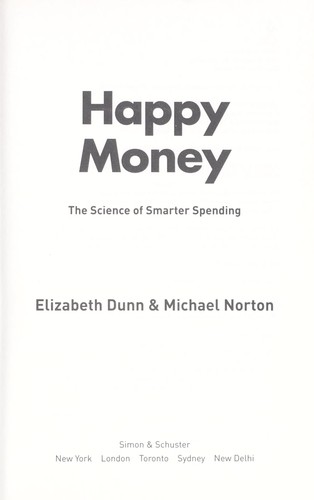
Happy money
197 pages
A breezy, science-backed guide that flips the script on personal finance, focusing on how to buy joy rather than just accumulate wealth.
What it feels like
Reading this book feels like having a coffee with a brilliant, highly observant behavioral economist who genuinely wants you to be happier. It moves at a brisk, engaging clip, trading dry financial spreadsheets for fascinating psychological experiments and relatable anecdotes. The mood is consistently uplifting and curious, stripping away the guilt often associated with personal finance and replacing it with a sense of playful experimentation. You aren't being scolded about lattes; instead, you're invited to rethink the emotional weight of your purchases. The prose is conversational and sharp, making complex data feel immediately applicable to your daily life. It will delight fans of pop-psychology who are looking for practical, life-affirming ways to align their wallets with their well-being.
- Mood
- curious
- uplifting
- encouraging
- Tone
- conversational
- optimistic
- pragmatic
- accessible
- wry
- Pace
- brisk
- Themes
- intentional consumption · the psychology of joy · time affluence · prosocial giving · experiential wealth
- The writing
- The writing is breezy and anecdotal, effortlessly translating dense behavioral science into relatable, everyday scenarios.
- The arc
- Readers transition from a state of mindless consumption to feeling empowered and eager to align their spending with genuine joy.
- Who it's for
- Anyone who loves pop-psychology and wants actionable, science-backed tweaks to improve their daily well-being without needing a massive salary.
About the book
Happy Money offers a tour of new research on the science of spending. Most people recognize that they need professional advice on how to earn, save, and invest their money, most people just follow their intuitions. But scientific research shows that those institutions are often wrong. Happy Money explains why you can get more happiness for your money by following five principles, from choosing experiences over stuff to spending money on others. And the five principles, from choosing experiences over stuff to spending money on others. And the five principles can be used not only by individuals but by companies seeking to create happier employees and provide "happier products" to their customers. Elizabeth Dunn and Michael Norton show how companies form Google to Pepsi to Crate & Barrel have put these ideas into action. Along the way, the authors describe new research that reveals that luxury cars often provide no more pleasure than economy models, that commercials can actually enhance the enjoyment of watching television, adn that residents of many cities frequently miss out on inexpensive pleasures in their hometowns. By the end of this book, readers will ask themselves one simple question whenever they reach for their wallets. Am i getting the biggest happiness bang for my buck?
Description from Open Library.
Books like Happy money
See why they match The Psychology of MoneyMorgan HouselA reassuring, jargon-free conversation about how our egos, fears, and histories shape our bank accounts.
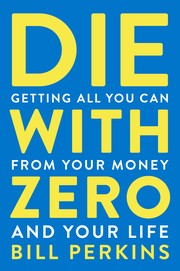 Die with ZeroBill PerkinsA provocative wake-up call that challenges you to stop hoarding your wealth and start spending it on a life worth remembering.
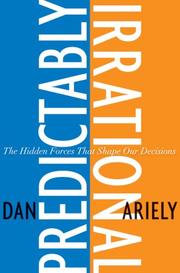 Predictably IrrationalDan ArielyA playful, eye-opening tour through the hidden forces that secretly pull the strings of our daily decisions.
 The psychology of moneyFurnham, Adrian.A rigorous, research-driven exploration of the strange, irrational ways human minds process wealth, value, and status.
 The art of frugal hedonismAnnie Raser-RowlandA playful, practical guide to squeezing maximum joy out of life while spending less.
 PayoffDan ArielyAn eye-opening exploration of the hidden psychological forces that truly drive us to work, create, and succeed.