Books › The River of Consciousness

The River of Consciousness
256 pages
A warm, expansive journey through the mysteries of the mind, memory, and the natural world, guided by a relentlessly curious intellect.
What it feels like
Reading this collection feels like sitting in the sunlit study of a brilliant, endlessly curious mentor who is eager to share the marvels of the universe before he departs. The pace is steady and contemplative, allowing you to meander through fascinating intersections of botany, neurology, and philosophy without ever feeling rushed or overwhelmed by jargon. The prose is characteristically elegant and deeply humane, wrapping rigorous scientific inquiry in a warm, conversational tone. The mood is expansive and reverent, steeped in a profound appreciation for the interconnectedness of all life. It is an experience that delights the intellectually restless—those who find comfort in big questions about memory, time, and consciousness, and who appreciate science writing that reads like a love letter to human curiosity.
- Mood
- expansive
- contemplative
- warm
- intellectual
- Tone
- curious
- erudite
- empathetic
- reflective
- reverent
- Pace
- steady
- Themes
- the nature of time and memory · interconnectedness of life · roots of creativity · scientific curiosity · mystery of consciousness
- The writing
- Elegant, lucid, and deeply humane, blending rigorous scientific observation with the warmth of a personal letter.
- The arc
- Moves from a sense of boundless curiosity about the natural world to a profound, quiet reverence for the human mind and the legacy of scientific inquiry.
- Who it's for
- Readers who love to marvel at the intricacies of the mind and the natural world, appreciating science delivered with philosophical depth and literary grace.
Content notes
- terminal illness
- aging
- neurological decline
About the book
"Two weeks before his death, Oliver Sacks outlined the contents of The River of Consciousness, the last book he would oversee. The best-selling author of On the Move, Musicophilia, and The Man Who Mistook His Wife for a Hat, Sacks is known for his illuminating case histories about people living with neurological conditions at the far borderlands of human experience. But his grasp of science was not restricted to neuroscience or medicine; he was fascinated by the issues, ideas, and questions of all the sciences. That wide-ranging expertise and passion informs the perspective of this book, in which he interrogates the nature not only of human experience but of all life. In The River of Consciousness, Dr. Sacks takes on evolution, botany, chemistry, medicine, neuroscience, and the arts, and calls upon his great scientific and creative heroes--above all, Darwin, Freud, and William James. For Sacks, these thinkers were constant companions from an early age; the questions they explored--the meaning of evolution, the roots of creativity, and the nature of consciousness--lie at the heart of science and of this book. The River of Consciousness demonstrates Sacks's unparalleled ability to make unexpected connections, his sheer joy in knowledge, and his unceasing, timeless endeavor to understand what makes us human."--Dust jacket flap.
Description from Open Library.
Books like The River of Consciousness
See why they match On the MoveOliver SacksA deeply human, restless exploration of a brilliant mind racing to understand itself and the world.
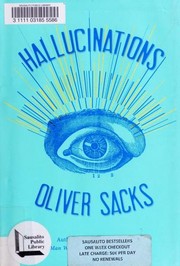 HallucinationsOliver SacksA compassionate and wondrous journey into the mind's capacity to conjure realities that aren't there.
 ConsciousAnnaka HarrisA brief, mind-bending plunge into the deepest mystery of the universe: the fact that you are experiencing it at all.
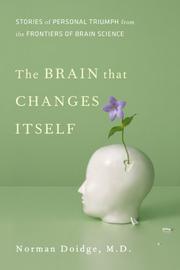 The Brain That Changes ItselfNorman DoidgeAn awe-inspiring exploration of human resilience that will fundamentally change how you view your own mind's potential.
 The brainDavid EaglemanA mind-expanding journey into the dark, silent fortress of the skull to discover how biological matter constructs our entire reality.
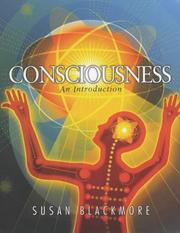 ConsciousnessSusan BlackmoreA dizzying, rigorous dismantling of everything you thought you knew about your own mind and sense of self.