Books › The Road to Character
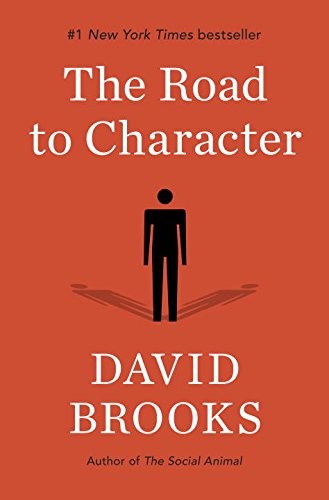
The Road to Character
625 pages
An earnest, biographical meditation on cultivating deep inner goodness in a world obsessed with external achievement.
What it feels like
Reading this book feels like sitting in a quiet, wood-paneled study with a thoughtful mentor who is gently challenging you to rethink your priorities. The pace is steady and deliberate, asking you to slow down and reflect rather than rush to the finish line. It carries an earnest, introspective mood, contrasting the loud, self-promoting culture of today with the quiet dignity of historical figures who prioritized humility and self-restraint. The prose is clear, journalistic, and deeply biographical, anchoring abstract moral philosophy in the messy, real-world struggles of fascinating people. It will deeply resonate with readers who are exhausted by hustle culture and are searching for a more grounded, meaningful way to measure the success of their lives.
- Mood
- introspective
- contemplative
- grounded
- serious
- Tone
- earnest
- reflective
- didactic
- thoughtful
- persuasive
- Pace
- steady
- Themes
- resume vs. eulogy virtues · moral character · humility and self-restraint · the search for meaning · overcoming personal flaws
- The writing
- Accessible and journalistic, weaving philosophical arguments seamlessly into engaging biographical portraits.
- The arc
- Begins with a critique of modern superficiality and builds toward a quiet, inspiring reverence for lifelong moral struggle.
- Who it's for
- Thoughtful readers feeling burned out by hustle culture who are looking for deeper, historically grounded models of a meaningful life.
Content notes
- discussions of mortality
- historical prejudice
About the book
With the wisdom, humor, curiosity, and sharp insights that have brought millions of readers to his New York Times column and his previous bestsellers, David Brooks has consistently illuminated our daily lives in surprising and original ways. In The Social Animal, he explored the neuroscience of human connection and how we can flourish together. Now, in The Road to Character, he focuses on the deeper values that should inform our lives. Responding to what he calls the culture of the Big Me, which emphasizes external success, Brooks challenges us, and himself, to rebalance the scales between our "resume virtues" -- achieving wealth, fame, and status -- and our "eulogy virtues," those that exist at the core of our being: kindness, bravery, honesty, or faithfulness, focusing on what kind of relationships we have formed. Looking to some of the world's greatest thinkers and inspiring leaders, Brooks explores how, through internal struggle and a sense of their own limitations, they have built a strong inner character. Labor activist Frances Perkins understood the need to suppress parts of herself so that she could be an instrument in a larger cause. Dwight Eisenhower organized his life not around impulsive self-expression but considered self-restraint. Dorothy Day, a devout Catholic convert and champion of the poor, learned as a young woman the vocabulary of simplicity and surrender. Civil rights pioneers A. Philip Randolph and Bayard Rustin learned reticence and the logic of self-discipline, the need to distrust oneself even while waging a noble crusade. Blending psychology, politics, spirituality, and confessional, The Road to Character provides an opportunity for us to rethink our priorities, and strive to build rich inner lives marked by humility and moral depth. "Joy," David Brooks writes, "is a byproduct experienced by people who are aiming for something else. But it comes." - Publisher.
Description from Open Library.
Books like The Road to Character
See why they match The social animalDavid BrooksA sweeping, narrative-driven exploration of the hidden cognitive and social forces that shape our lives, loves, and legacies.
 How to Know a PersonDavid BrooksA hopeful and deeply curious exploration of how to truly see, hear, and value the people around us.
 Ego is the EnemyRyan HolidayA sobering but deeply empowering reality check that strips away the noise of self-importance to reveal the quiet power of humility.
 The happiness projectGretchen RubinA structured, uplifting experiment in finding extraordinary joy within the boundaries of an ordinary life.
 Stillness Is the KeyRyan HolidayA quiet, grounding anchor in a sea of modern noise, offering ancient wisdom for a frantic world.
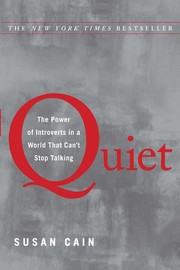 QuietSusan CainA deeply validating exploration that gives you permission to stop pretending and embrace the quiet power of your own mind.