Books › The Road to Wigan Pier

The Road to Wigan Pier
540 pages
A visceral descent into industrial poverty that pivots into a fiery, frustrated plea for political awakening.
What it feels like
Reading this book feels like stepping into a soot-stained photograph before being pulled into a heated, late-night political debate. The first half is a masterclass in sensory immersion, dragging you down into the claustrophobic, coal-dusted reality of the 1930s English working class with an unflinching, almost painful clarity. You can practically smell the damp housing and feel the exhaustion of the miners. Then, the text abruptly shifts gears, transforming into a fiery, self-critical polemic about class prejudice and the failures of the socialist movement. It reads at a steady, deliberate pace, anchored by prose that is famously lucid and stripped of pretense. This is a deeply earnest, indignant experience that will captivate readers who crave boots-on-the-ground journalism paired with raw moral conviction.
- Mood
- bleak
- grimy
- claustrophobic
- urgent
- Tone
- indignant
- observant
- polemical
- earnest
- unflinching
- Pace
- steady
- Themes
- the dignity of labor · systemic poverty · class alienation · industrial decay · ideological frustration
- The writing
- Lucid, plainspoken, and highly descriptive, the sentences carry a heavy moral force without ever resorting to academic jargon.
- The arc
- The journey shifts from a visceral, empathetic immersion in crushing poverty to a fiery, frustrated ideological argument.
- Who it's for
- Readers who appreciate immersive, boots-on-the-ground journalism and passionate political essays that grapple honestly with class and inequality.
Content notes
- extreme poverty
- squalor
- dangerous working conditions
- classism
About the book
A searing account of George Orwell's observations of working-class life in the bleak industrial heartlands of Yorkshire and Lancashire in the 1930s, The Road to Wigan Pier is a brilliant and bitter polemic that has lost none of its political impact over time. His graphically unforgettable descriptions of social injustice, cramped slum housing, dangerous mining conditions, squalor, hunger and growing unemployment are written with unblinking honesty, fury and great humanity. It crystallized the ideas that would be found in Orwell's later works and novels, and remains a powerful portrait of poverty, injustice and class divisions in Britain.
Description from Open Library.
Books like The Road to Wigan Pier
See why they match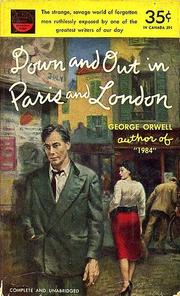 Down and Out in Paris and LondonGeorge OrwellA visceral, unsentimental plunge into the hidden world of extreme poverty and the grueling mechanics of survival.
 ChavsOwen JonesA fiery, eye-opening dismantling of cultural stereotypes that exposes the systemic abandonment of the working class.
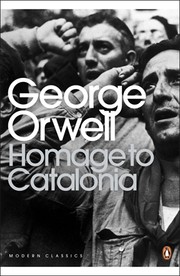 Homage to CataloniaGeorge OrwellA stark, boots-on-the-ground memoir of revolutionary idealism colliding with the grim, muddy realities of war and political betrayal.
 GerminalÉmile ZolaA visceral, pressure-cooker descent into the dark heart of industrial exploitation that ultimately unearths a fragile seed of human resilience.
 The Grapes of WrathBoyd CableA sweeping, dust-choked epic of survival that burns with righteous indignation and radical empathy.
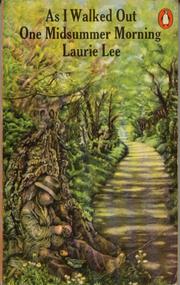 As I walked out one midsummer morningLaurie LeeA sun-drenched, poetic tramp across a vanished 1930s Europe, balancing the golden innocence of youth with the gathering storm clouds of war.