Books › The Schopenhauer cure
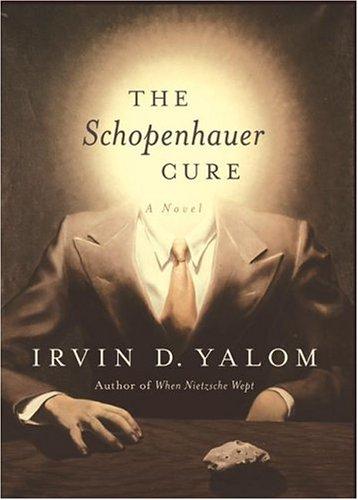
The Schopenhauer cure
First published 2005 · 358 pages
A deeply introspective exploration of mortality, healing, and the clash between misanthropic philosophy and the human need for connection.
What it feels like
Reading this novel feels like sitting in on a deeply intimate, intellectually rigorous therapy session. The pace is steady and deliberate, driven not by action but by the profound psychological unspooling of its characters. It carries a contemplative, existential mood, shadowed by the looming reality of mortality but illuminated by sharp philosophical inquiry. The narrative seamlessly weaves the pessimistic, misanthropic ideas of Arthur Schopenhauer into a very human search for meaning and redemption. The prose is analytical yet earnest, appealing to readers who are fascinated by the inner workings of the mind, the dynamics of group therapy, and the ways we grapple with our own legacies. It is a mesmerizing, thought-provoking experience for anyone who loves fiction that doubles as a philosophical sounding board.
- Mood
- contemplative
- existential
- introspective
- Tone
- reflective
- philosophical
- earnest
- probing
- Pace
- steady
- Themes
- confronting mortality · the search for meaning · the nature of healing · philosophical pessimism · legacy and regret
- The writing
- Analytical and deeply psychological, blending narrative fiction with philosophical discourse and therapeutic insight.
- The arc
- Moves from existential dread and professional regret toward a complex, philosophical reckoning with human connection and mortality.
- Who it's for
- Readers who enjoy intellectual fiction, philosophical debates, and deep dives into the mechanics of psychotherapy and the human mind.
Content notes
- terminal illness / mortality
- sex addiction (mentioned)
- existential dread
About the book
From novelist and master psychotherapist Irvin Yalom, author of Lying on the Couch and When Nietzsche Wept, comes the world's first accurate group-therapy novel, a mesmerizing story of two men's search for meaning.At one time or another, all of us have wondered what we'd do in the face of death. Suddenly confronted with his own mortality after a routine checkup, distinguished psychotherapist Julius Hertzfeld is forced to reexamine his life and work. Has he really made an enduring difference in the lives of his patients? And what about the patients he's failed? What has happened to them? Now that he is wiser and riper, can he rescue them yet?Reaching beyond the safety of his thriving San Francisco practice, Julius feels compelled to seek out Philip Slate, whom he treated for sex addiction some twenty-three years earlier. At that time, Philip's only means of connecting to humans was through brief sexual interludes with countless women, and Julius's therapy did not change that. He meets with Philip, who claims to have cured himself -- by reading the pessimistic and misanthropic philosopher Arthur Schopenhauer.Much to Julius's surprise, Philip has become a philosophical counselor and requests that Julius provide him with the supervisory hours he needs to obtain a license to practice. In return, Philip offers to tutor Julius in the work of Schopenhauer. Julius hesitates. How can Philip possibly become a therapist? He is still the same arrogant, uncaring, self-absorbed person he had always been. In fact, in every way he resembles his mentor, Schopenhauer. But eventually they strike a Faustian bargain: Julius agrees to supervise Philip, provided that Philip first joins his therapy group. Julius is hoping that six months with the group will address Philip's misanthropy and that by being part of a circle of fellow patients, he will develop the relationship skills necessary to become a therapist.Philip enters the group, but he is more interested in educating the members in Schopenhauer's philosophy -- which he claims is all the therapy anyone should need -- than he is in their individual problems. Soon Julius and Philip, using very different therapeutic approaches, are competing for the hearts and minds of the group members.Is this going to be Julius's swan song -- a splintered group and years of good work down the drain? Or will all the members, including Philip, find a way to rise to the occasion that brings with it the potential for extraordinary change? In The Schopenhauer Cure, Irvin Yalom elegantly weaves the true story of Schopenhauer's psychological life throughout the narrative, knitting together fact and fiction to form a compellingly readable tale.
Description from Open Library.
Books like The Schopenhauer cure
See why they match When Nietzsche WeptIrvin D. YalomA cerebral and deeply intimate exploration of two brilliant minds dismantling each other's defenses in gaslit Vienna.
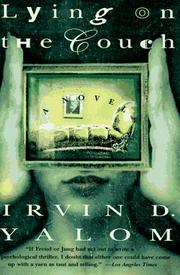 Lying on the CouchIrvin D. YalomA sharp, deeply empathetic peek behind the therapist's curtain, where the healers are just as flawed and vulnerable as the patients on their couches.
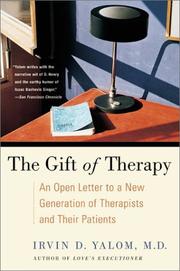 The Gift of TherapyIrvin YalomA masterclass in human connection delivered as a series of intimate, fireside chats with a wise mentor.
 Essays and aphorismsArthur SchopenhauerA brilliantly cynical and beautifully written plunge into the irrationality of human existence and the quiet solace of art.
 The examined lifeStephen GroszAn intimate, jargon-free masterclass in empathy that reveals the profound truths hidden within our everyday anxieties.
 The consolations of philosophyAlain De BottonA soothing intellectual balm for the anxious mind, proving that history's greatest thinkers struggled with the exact same everyday frustrations we do.