Books › The Second Machine Age

The Second Machine Age
336 pages
A sweeping, data-driven glimpse into a rapidly approaching future where human ingenuity and artificial intelligence collide.
What it feels like
Reading this book feels like standing on the edge of a technological precipice, experiencing both the exhilarating wind of progress and the vertigo of impending disruption. The authors maintain a brisk, engaging pace, translating complex economic and technological shifts into clear, urgent prose. It is an intellectually stimulating experience that balances wide-eyed wonder at digital milestones with a sobering look at the widening chasm of economic inequality. The mood is fundamentally optimistic yet pragmatic, demanding that the reader look up from the present and prepare for a radically altered landscape. It will deeply satisfy futurists, business strategists, and anyone seeking a lucid, big-picture map of the twenty-first century's most defining economic and social revolution.
- Mood
- intellectually stimulating
- forward-looking
- expansive
- apprehensive
- Tone
- analytical
- optimistic
- urgent
- pragmatic
- authoritative
- Pace
- brisk
- Themes
- technological disruption · the future of work · human-machine collaboration · economic inequality · societal adaptation
- The writing
- Clear, engaging, and data-driven, translating complex economic and technological concepts into accessible, compelling narratives.
- The arc
- Moves from awe at rapid technological acceleration to a sobering realization of economic disruption, culminating in a pragmatic, cautiously optimistic call to action.
- Who it's for
- Futurists, business strategists, and curious minds eager to understand how artificial intelligence and automation will reshape the global economy.
Content notes
- economic anxiety
- discussions of job loss
About the book
A revolution is under way. In recent years, Google's autonomous cars have logged thousands of miles on American highways and IBM's Watson trounced the best human Jeopardy! players. Digital technologies -- with hardware, software, and networks at their core -- will in the near future diagnose diseases more accurately than doctors can, apply enormous data sets to transform retailing, and accomplish many tasks once considered uniquely human. In The Second Machine Age MIT's Erik Brynjolfsson and Andrew McAfee -- two thinkers at the forefront of their field -- reveal the forces driving the reinvention of our lives and our economy. As the full impact of digital technologies is felt, we will realize immense bounty in the form of dazzling personal technology, advanced infrastructure, and near-boundless access to the cultural items that enrich our lives. Amid this bounty will also be wrenching change. Professions of all kinds, from lawyers to truck drivers, will be forever upended. Companies will be forced to transform or die. Recent economic indicators reflect this shift: fewer people are working, and wages are falling even as productivity and profits soar. Drawing on years of research and up-to-the-minute trends, Brynjolfsson and McAfee identify the best strategies for survival and offer a new path to prosperity. These include revamping education so that it prepares people for the next economy instead of the last one, designing new collaborations that pair brute processing power with human ingenuity, and embracing policies that make sense in a radically transformed landscape. A fundamentally optimistic book, The Second Machine Age will alter how we think about issues of technological, societal, and economic progress. - Publisher.
Description from Open Library.
Books like The Second Machine Age
See why they match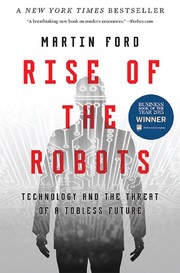 Rise of the RobotsMartin FordA sobering, data-driven look into the encroaching obsolescence of human labor and the urgent need to rethink our economic future.
 Machines of loving graceJohn MarkoffA sweeping, journalistic exploration of the ethical tightrope between human agency and artificial intelligence.
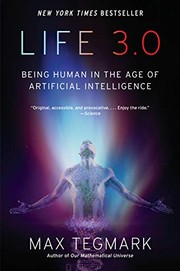 Life 3.0Max TegmarkA mind-expanding journey to the very edges of technological possibility and human purpose.
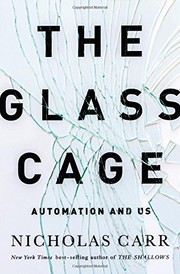 The Glass CageNicholas CarrA thoughtful, cautionary exploration of how our increasing reliance on automation and screens is quietly reshaping the human experience.
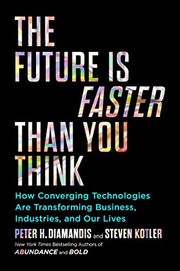 The Future Is Faster Than You ThinkPeter H. Diamandis and Steven KotlerA dizzying, urgent roadmap to the exponential technological shifts about to reinvent our daily lives.
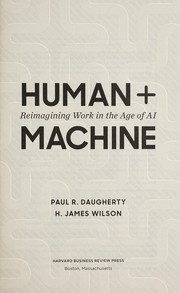 Human + machinePaul R. DaughertyAn urgent, visionary guide to navigating the paradigm shift of artificial intelligence in the modern workplace.