Books › The Sentinel

The Sentinel
First published 1983 · 320 pages
A quiet, mind-expanding journey into the vast, eerie mysteries of the cosmos and humanity's small place within it.
What it feels like
Reading this collection feels like standing on the edge of a crater, staring out into the cold, magnificent void of space. The pace is steady and deliberate, driven not by explosive action but by the slow, thrilling unfurling of massive ideas. Clarke's prose is famously lucid and unadorned, acting as a clear glass window into visionary futures and eerie, desolate landscapes. The mood is deeply contemplative, steeped in a quiet, atmospheric dread that slowly gives way to profound cosmic awe. It is an experience of intellectual expansion, asking the reader to grapple with humanity's infancy in a vast, ancient universe. This is a perfect match for those who love classic, golden-age science fiction that leaves a lingering sense of existential wonder long after the final page.
- Mood
- contemplative
- cosmic
- eerie
- awe-inspiring
- Tone
- philosophical
- analytical
- visionary
- detached
- Pace
- steady
- Themes
- cosmic insignificance · humanity's infancy · the limits of knowledge · technological evolution · existential wonder
- The writing
- Lucid, unadorned, and precise, prioritizing the elegant delivery of massive concepts over stylistic flourish.
- The arc
- Begins with grounded scientific curiosity and slowly expands into a profound, lingering sense of cosmic awe and existential vulnerability.
- Who it's for
- Readers who crave classic, idea-driven science fiction that prioritizes mind-bending concepts and philosophical questions over explosive action.
Content notes
- existential dread
About the book
From the Introduction...
Today's readers are indeed fortunate; this really is the Golden Age of science fiction. There are dozens of authors at work today who can match all but the giants of the past. (And probably one who can do even that, despite the handicap of being translated from Polish... ) Yet I do not really envy the young men and women who first encounter science fiction as the days shorten towards 1984, for we old-timers were able to accomplish something that was unique.
Ours was the last generation that was able to read everything. No one will ever do that again.
Of course, it may well be argued that no one should want to do so, in deference to Theodore Sturgeon's much-quoted Law: "Ninety percent of everything is crud." It is—to say the least—a sobering thought that this might apply even to my writing.
I can only hope that everything that follows comes from the other ten percent.
Description from Open Library.
Books like The Sentinel
See why they match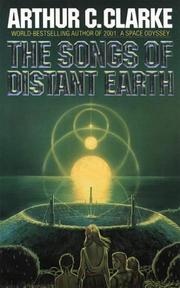 The Songs of Distant EarthArthur Charles ClarkeA quiet, sun-drenched meditation on the vastness of space, the loss of a homeworld, and the bittersweet beauty of fleeting human connection.
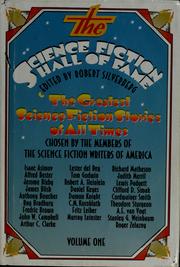 The Science Fiction Hall of Fame -- Volume OneRobert SilverbergA masterclass in speculative thought that captures the awe, terror, and boundless imagination of the golden age of science fiction.
 The Hammer of GodArthur C. ClarkeA methodical, awe-inspiring race against cosmic indifference where human ingenuity is the only shield against annihilation.
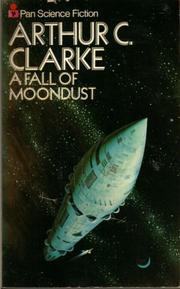 A Fall of MoondustArthur Charles ClarkeA methodical, ticking-clock survival thriller where physics is both the ultimate villain and the only savior.
 2010, odyssey twoArthur C. ClarkeA methodical, awe-inspiring journey into the void that answers lingering cosmic mysteries with rigorous science and philosophical wonder.
 The Last TheoremFrederik PohlA cerebral journey through mathematics and the stars, serving as a grand finale to a legendary era of science fiction.