Books › The silence of the girls

The silence of the girls
336 pages
A gritty, unromanticized descent into the shadows of epic myth, giving voice to the women treated as spoils of war.
What it feels like
Reading this novel feels like stepping behind the glittering curtain of epic poetry into the blood, dust, and claustrophobia of a military camp. The pace is steady and deliberate, anchoring you in the grim, day-to-day reality of survival rather than the sweeping glory of battle. Barker’s prose is visceral and unsentimental, stripping away the romance of myth to expose a dread-soaked, deeply oppressive atmosphere where women are reduced to currency. Yet, beneath the bleakness lies a profound, quiet resilience. It is an unflinching, clear-eyed experience that will captivate readers who loved Circe or A Thousand Ships, offering a fierce reclamation of silenced voices that lingers long after the final page.
- Mood
- claustrophobic
- somber
- tense
- dread-soaked
- Tone
- unflinching
- unsentimental
- observant
- gritty
- feminist
- Pace
- steady
- Themes
- female survival in wartime · the silencing of women · unglamorous reality of myth · trauma and resilience · complicity and power
- The writing
- Direct, visceral, and sharply unadorned, stripping away the romanticism of epic poetry to expose the raw, bloody reality beneath.
- The arc
- Moves from the shock of sudden subjugation through a grim, clear-eyed endurance, culminating in a quiet but fierce reclamation of voice.
- Who it's for
- Readers who crave feminist retellings that refuse to look away from the brutal, unvarnished truths of history and myth.
Content notes
- sexual assault
- slavery
- graphic violence
- misogyny
- grief and loss
About the book
"From the Booker Prize-winning author of the Regeneration trilogy comes a monumental new masterpiece, set in the midst of literature's most famous war. Pat Barker turns her attention to the timeless legend of The Iliad, as experienced by the captured women living in the Greek camp in the final weeks of the Trojan War. The ancient city of Troy has withstood a decade under siege of the powerful Greek army, who continue to wage bloody war over a stolen woman--Helen. In the Greek camp, another woman watches and waits for the war's outcome: Briseis. She was queen of one of Troy's neighboring kingdoms, until Achilles, Greece's greatest warrior, sacked her city and murdered her husband and brothers. Briseis becomes Achilles's concubine, a prize of battle, and must adjust quickly in order to survive a radically different life, as one of the many conquered women who serve the Greek army. When Agamemnon, the brutal political leader of the Greek forces, demands Briseis for himself, she finds herself caught between the two most powerful of the Greeks. Achilles refuses to fight in protest, and the Greeks begin to lose ground to their Trojan opponents. Keenly observant and cooly unflinching about the daily horrors of war, Briseis finds herself in an unprecedented position to observe the two men driving the Greek forces in what will become their final confrontation, deciding the fate, not only of Briseis's people, but also of the ancient world at large. Briseis is just one among thousands of women living behind the scenes in this war--the slaves and prostitutes, the nurses, the women who lay out the dead--all of them erased by history. With breathtaking historical detail and luminous prose, Pat Barker brings the teeming world of the Greek camp to vivid life. She offers nuanced, complex portraits of characters and stories familiar from mythology, which, seen from Briseis's perspective, are rife with newfound revelations. Barker's latest builds on her decades-long study of war and its impact on individual lives--and it is nothing short of magnificent"--
Description from Open Library.
Books like The silence of the girls
See why they match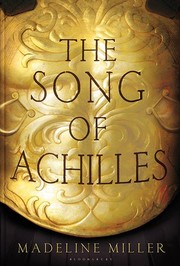 The Song of AchillesMadeline MillerA sun-drenched, devastatingly tender portrait of doomed love set against the brutal backdrop of mythic destiny.
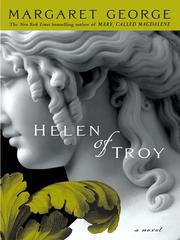 Helen of TroyMargaret GeorgeAn intimate, lushly written reclamation of a legendary figure whose terrifying beauty and forbidden passion sparked inevitable tragedy.
 RegenerationPat BarkerA quiet, devastating exploration of shattered minds and the impossible ethics of healing men only to send them back to the slaughter.
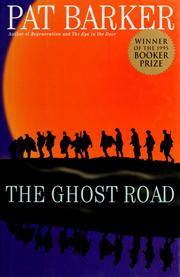 The Ghost RoadPat BarkerA haunting, unflinching descent into the psychological ruins of war, where healing feels indistinguishable from a death sentence.
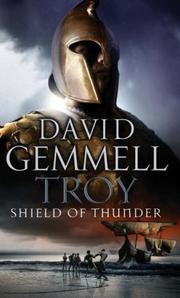 Fall of KingsDavid A. GemmellA sweeping, blood-soaked tragedy that breathes gritty, muscular life into the twilight of the Bronze Age.
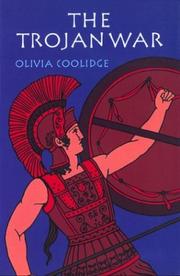 The Trojan WarOlivia E. CoolidgeA dignified, accessible gateway into the ancient world's greatest and most tragic epic of gods and mortals.