Books › The Ghost Road

The Ghost Road
First published 1995 · 288 pages
A haunting, unflinching descent into the psychological ruins of war, where healing feels indistinguishable from a death sentence.
What it feels like
Reading this novel feels like walking through a dense, chilling fog toward an inevitable tragedy. The atmosphere is heavy with dread and a profound, melancholic weariness, yet it is pierced by moments of sharp, sardonic humor and deep compassion. The narrative alternates between the claustrophobic, mud-soaked trenches of France and the feverish, memory-haunted wards of a war hospital, creating a stark contrast between the visceral horrors of combat and the quiet, agonizing ethics of psychological healing. The prose is unsentimental but deeply poetic, capturing the fractured minds of men sent to die for a cause they no longer understand. It is a devastating, masterful experience that will captivate readers who appreciate morally complex, character-driven historical fiction that lingers long after the final page.
- Mood
- haunting
- dread-soaked
- melancholic
- claustrophobic
- Tone
- elegiac
- unflinching
- compassionate
- sardonic
- Pace
- steady
- Themes
- psychological toll of war · ethics of healing · culture of death · memory and trauma · class and duty
- The writing
- Stark and unsentimental, blending gritty realism with moments of profound, poetic psychological insight.
- The arc
- Begins with a weary, cynical resignation and marches steadily toward a devastating, inevitable confrontation with mortality.
- Who it's for
- Readers who crave deeply psychological, morally complex historical fiction that examines the human soul under extreme duress.
Content notes
- graphic war violence
- psychological trauma
- death and dying
- medical trauma
About the book
The final book in the Regeneration Trilogy and winner of the 1995 Booker Prize, The Ghost Road is the culminating masterpiece of Pat Barker's towering World War I fiction trilogy. The time of the novel is the closing months of the most senselessly savage of modern conflicts. In France, millions of men engaged in brutal trench warfare are all "ghosts in the making." In England, psychologist William Rivers, with severe pangs of conscience, treats the mental casualties of the war to make them whole enough to fight again. One of these, Billy Prior, risen to the officer class from the working class, both courageous and sardonic, decides to return to France with his fellow officer, poet Wilfred Owen, to fight a war he no longer believes in. Meanwhile, Rivers, enfevered by influenza returns in memory to his experience studying a South Pacific tribe whose ethos amounted to a culture of death. Across the gulf between his society and theirs, Rivers begins to form connections that cast new light on his--and our--understanding of war.
Combining poetic intensity with gritty realism, blending biting humor with tragic drama, moving toward a denouement as inevitable as it is devastating, The Ghost Road both encapsulates history and transcends it. It is a modern masterpiece.
Description from Open Library.
Books like The Ghost Road
See why they match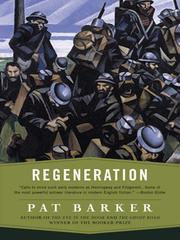 RegenerationPat BarkerA quiet, devastating exploration of shattered minds and the impossible ethics of healing men only to send them back to the slaughter.
 The silence of the girlsPat BarkerA gritty, unromanticized descent into the shadows of epic myth, giving voice to the women treated as spoils of war.
 Anil's ghostMichael OndaatjeA haunting, poetic excavation of truth and memory set against the backdrop of a war-torn homeland.
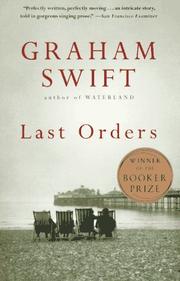 Last ordersGraham SwiftA polyphonic, pint-glass-clinking road trip through memory, grief, and the quiet profundity of ordinary lives.
 The Great War and Modern MemoryPaul FussellA haunting, erudite exploration of how the horrors of trench warfare shattered innocence and birthed the ironic lens of the modern world.
 The Return of the SoldierRebecca WestA haunting, beautifully observed novella that peels back the manicured illusions of an English country estate to reveal the psychological shrapnel of war.