Books › The Story of Little Black Sambo

The Story of Little Black Sambo
First published 1921 · 109 pages
A rhythmic, escalating nursery tale of outwitting danger that now serves as a stark artifact of colonial-era children's literature.
What it feels like
Reading this book today is a deeply bifurcated experience, balancing the rhythmic, escalating cadence of a classic nursery tale with the heavy, undeniable reality of its racist legacy. The pace is brisk, driven by the repetitive, cyclical structure of traditional oral storytelling designed for reading aloud. Its mood is a jarring mix of whimsical childhood innocence and profound historical discomfort. The prose is simple and matter-of-fact, building a mild, playful tension as the protagonist faces escalating threats, ultimately resolving in a surreal and comforting triumph. Rather than a bedtime story, it is now primarily engaged with as a cultural artifact, fascinating scholars and critical readers examining the pervasive colonialist undertones embedded in early twentieth-century children's publishing.
- Mood
- whimsical
- uncanny
- playful
- uncomfortable
- Tone
- folkloric
- matter-of-fact
- rhythmic
- historically fraught
- Pace
- brisk
- Themes
- outwitting danger · resourcefulness · colonial artifacts · loss and recovery
- The writing
- Simple, repetitive, and highly rhythmic, built on the escalating structures of traditional oral storytelling.
- The arc
- Moves from innocent pride to escalating threat, resolving in clever triumph and surreal comfort.
- Who it's for
- Scholars of children's literature and readers interested in the historical evolution and controversies of early nursery tales.
Content notes
- racist caricatures
- offensive language
- colonialist undertones
- animal threat
About the book
A retelling of the well-known tale in which a little Indian boy finally outwits the succession of tigers that want to eat him.
Description from Open Library.
Books like The Story of Little Black Sambo
See why they match The Complete Jungle BookRudyard KiplingA mythic, atmospheric journey into the heart of the wild, where the ancient laws of nature dictate survival, loyalty, and belonging.
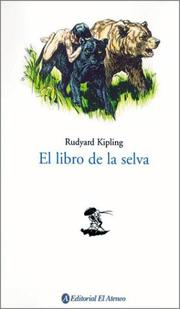 The Jungle BookRudyard KiplingA mythic, atmospheric journey into the heart of the wild, where ancient laws govern survival and kinship.
 Read to tigerS. J. ForeA playful, high-energy tug-of-war between the quiet focus of a good book and the loud, karate-kicking chaos of an overactive companion.
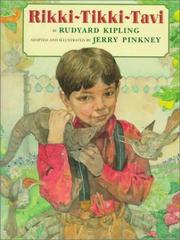 Rikki-tikki-taviJerry PinkneyA lushly illustrated, heart-pounding tale of fierce loyalty where a small hero faces down deadly predators in a sun-baked garden.
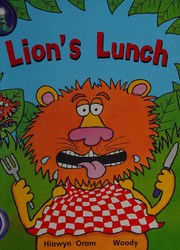 Lion's lunchHiawyn OramA cheeky, fast-paced romp through the jungle where cleverness goes head-to-head with a rumbling tummy.
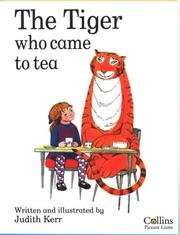 The Tiger Who Came to TeaJudith KerrA perfectly polite disruption of the everyday, where the surreal is met with tea, sandwiches, and absolute calm.