Books › The Third Eye

The Third Eye
First published 1956 · 314 pages
A contemplative exploration of spiritual devotion and the quiet rhythms of Tibetan monastic life.
What it feels like
Immersing the reader in the atmospheric world of Tibetan Buddhism, this narrative walks a fascinating line between biography and fiction. The reading experience is steady and deeply contemplative, inviting you to slow down and absorb the intricate details of monastic and religious life. It feels like a quiet, reverent journey through the traditions of the Dge-lugs-pa sect and the daily existence of Buddhist monks. The prose is reflective and earnest, focusing on spiritual devotion rather than rapid action, creating a mood that is both mystical and grounded in cultural observation. It will deeply satisfy readers who seek out thoughtful, atmospheric accounts of spiritual discipline and those fascinated by the historical and religious landscapes of Tibet and China.
- Mood
- contemplative
- reverent
- atmospheric
- Tone
- reflective
- earnest
- spiritual
- observational
- Pace
- steady
- Themes
- spiritual devotion · monastic discipline · cultural immersion · religious life
- The writing
- The writing is measured and descriptive, carefully detailing the rhythms of monastic existence.
- The arc
- The narrative moves from curious observation to a deep, reverent immersion in spiritual discipline.
- Who it's for
- Readers who are captivated by spiritual journeys and the intricate details of Tibetan Buddhist monasticism.
Books like The Third Eye
See why they match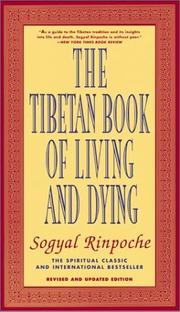 The Tibetan book of living and dyingSogyal RinpocheA gentle, profound exploration that transforms the universal fear of mortality into a spacious appreciation for the present moment.
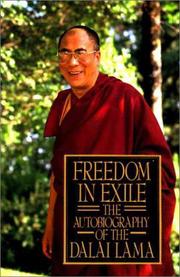 Freedom in exileDalai LamaA gentle but unwavering testament to finding inner peace and maintaining compassion while navigating profound geopolitical tragedy.
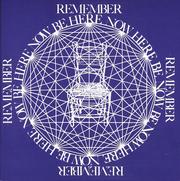 Be Here NowRam Dass.An earnest, introspective journey through the stages of mystical awakening and karmic discovery.
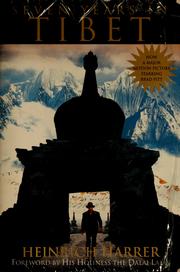 Seven years in TibetHeinrich HarrerA sweeping, true-life odyssey that transforms from a desperate prison break into a profound meditation on a secluded, vanishing culture.
 The secret of ShambhalaJames RedfieldA mystical adventure that blends high-altitude suspense with earnest New Age philosophy.
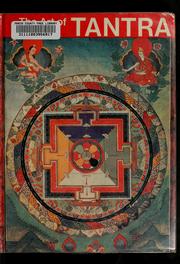 The art of TantraPhilip S. RawsonA visually arresting and intellectually rigorous journey into the sacred geometry and sensual mysticism of Eastern spiritual art.