Books › The Vampire Lestat

The Vampire Lestat
800 pages
A decadent, centuries-spanning confession from a charismatic monster who refuses to apologize for his hunger or his flair for the dramatic.
What it feels like
Reading this book feels like being cornered at a midnight masquerade by the most fascinating, arrogant, and deeply damaged person in the room. It is a sprawling, sensory feast that trades the brooding guilt of its predecessor for unapologetic theatricality and rock-star swagger. The narrative sweeps you through centuries of European history, wrapping you in a lush, baroque atmosphere dripping with velvet, blood, and philosophical angst. It is a deeply sensual and emotionally intense experience, driven by a narrator who is constantly searching for meaning, origins, and companionship in a world that demands his isolation. Perfect for readers who want to sink their teeth into a gothic epic where the monsters are the most human, passionate, and tragic figures of all.
- Mood
- gothic
- decadent
- opulent
- seductive
- melancholic
- Tone
- theatrical
- unapologetic
- grandiose
- philosophical
- sensual
- Pace
- steady
- Themes
- the burden of immortality · rebellion against dogma · art and monstrosity · queer longing · the search for origins
- The writing
- Lush, baroque, and highly theatrical, dripping with sensory detail and impassioned philosophical musings.
- The arc
- A sprawling journey from desperate, lonely searching and philosophical disillusionment to a triumphant, defiant embrace of one's own monstrous nature.
- Who it's for
- Readers who crave dark, sensual, character-driven epics led by morally ambiguous, deeply dramatic protagonists who refuse to apologize for their desires.
Content notes
- graphic violence
- blood and gore
- sexual content
- religious blasphemy
- animal death
About the book
The Vampire Lestat (1985) is a vampire novel by American writer Anne Rice, the second in her Vampire Chronicles, following Interview with the Vampire (1976). The story is told from the point of view of the vampire Lestat de Lioncourt as narrator, while Interview is narrated by Louis de Pointe du Lac. Several events in the two books appear to contradict each other, allowing the reader to decide which version of events they believe to be accurate.
Description from Open Library.
Books like The Vampire Lestat
See why they match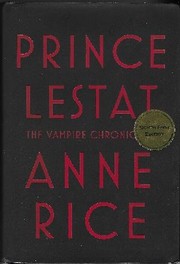 Prince Lestat, The Vampire ChroniclesAnne RiceA lush, sprawling reunion of immortal souls wrestling with existential dread and the intoxicating weight of eternity.
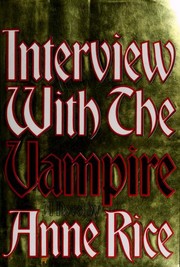 Interview With the VampireAnne RiceA lush, blood-soaked confession of immortality, grief, and the terrible weight of eternity.
 Narcissus in chainsLaurell K. HamiltonA gritty, leather-clad descent into supernatural politics where desire is a weapon and love is a blood-soaked battlefield.
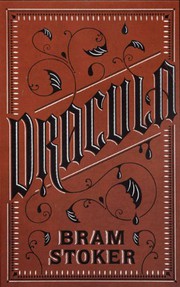 DraculaBram StokerA creeping, epistolary descent into gothic dread where modern rationality battles an ancient, seductive evil.
 The HistorianElizabeth KostovaA slow-burn, atmospheric descent into the darkest corners of European history and academic obsession.
 The VampyreJohn William PolidoriA chilling descent into high-society darkness where aristocratic charm masks a predatory, inescapable evil.