Books › The way we never were
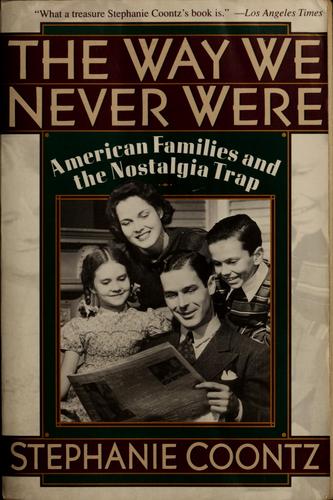
The way we never were
First published 1992 · 576 pages
A sharp, intellectually satisfying dismantling of the rosy nostalgia surrounding the traditional American family.
What it feels like
Reading this book feels like putting on a pair of glasses that suddenly brings the blurry, romanticized past into sharp, unyielding focus. It is a steady, intellectually stimulating experience that systematically dismantles the sepia-toned nostalgia of the traditional American family. The prose is accessible yet authoritative, guiding the reader through centuries of history with a wry, myth-busting energy that is both validating and deeply eye-opening. Instead of a dry sociological text, it reads like a compelling intervention against cultural amnesia, replacing the heavy burden of idealized history with the messy, liberating truth of human resilience. It will thoroughly delight curious skeptics, history enthusiasts, and anyone who has ever felt inadequate when measured against the phantom standard of the good old days.
- Mood
- intellectually stimulating
- reflective
- grounded
- eye-opening
- Tone
- analytical
- authoritative
- myth-busting
- engaging
- wry
- Pace
- steady
- Themes
- the illusion of nostalgia · evolution of family structures · societal expectations versus reality · the weaponization of history · class and gender dynamics
- The writing
- Accessible and rigorously researched, blending sociological data with compelling historical anecdotes.
- The arc
- Transitions from the comfortable familiarity of cultural myths to a liberating, clear-eyed acceptance of historical reality.
- Who it's for
- Curious skeptics and history buffs who love dismantling cultural assumptions and understanding the roots of modern social anxieties.
Content notes
- discussions of domestic abuse
- poverty
- racism
- sexism
About the book
"The Way We Never Were is an examination of two centuries of family life that shatter the myths that burden modern families and make them long for the past." "In a new introduction, Coontz examines key cultural events since the original 1992 publication - from Bill Clinton's sexual transgressions to high school shootings across the nation - and reexamines the myths that continue to compel the American people to long for a time that never was."--BOOK JACKET.
Description from Open Library.
Books like The way we never were
See why they match Marriage, a historyStephanie CoontzA witty, eye-opening dismantling of everything you thought you knew about love and matrimony.
 Bowling AloneRobert D. PutnamA sobering, data-rich diagnosis of modern alienation that explores how we lost our communal bonds and why we desperately need them back.
 Random familyAdrian Nicole LeBlancAn immersive, unflinching plunge into the chaotic, deeply human reality of generational poverty and survival.
 Kids These DaysMalcolm HarrisA sharp, validating, and deeply infuriating structural diagnosis of generational burnout.
 The Feminine MystiqueBetty FriedanA galvanizing exploration of the quiet, suffocating dissatisfaction of mid-century domesticity that sparked a revolution.
 The beauty myth : how images of beauty are used against womenNaomi WolfA fiery, paradigm-shifting cultural critique that exposes the invisible machinery of female physical perfection.