Books › The wealth of networks

The wealth of networks
528 pages
A rigorous, visionary exploration of how digital collaboration is fundamentally rewiring human freedom and economic power.
What it feels like
Reading this book feels like stepping into a sprawling, meticulously constructed architecture of ideas. It is a steady, intellectually demanding journey that rewards the reader with profound clarity about the digital world. The mood is expansive and deeply serious, vibrating with a quiet, earnest optimism about the potential of human collaboration. Benkler's prose is dense and scholarly, prioritizing rigorous analysis and comprehensive theory over breezy anecdotes. It asks for your full attention, building its arguments brick by brick until you can see the entire landscape of the networked information economy. This is a foundational text that will deeply satisfy tech policy wonks, digital rights advocates, and anyone hungry for a robust, theoretical framework to understand how the internet is reshaping freedom, culture, and power.
- Mood
- intellectually stimulating
- expansive
- serious
- hopeful
- Tone
- academic
- visionary
- analytical
- earnest
- authoritative
- Pace
- steady
- Themes
- democratization of knowledge · the power of the commons · collective action · digital freedom · open versus closed systems
- The writing
- Dense, scholarly, and meticulously argued, prioritizing precision and comprehensive analysis over stylistic flair.
- The arc
- Moves from a sense of awe at the potential of human collaboration to a grounded, urgent awareness of the policy battles required to protect it.
- Who it's for
- Academics, tech policy wonks, and digital rights advocates who want a rigorous theoretical framework for understanding the internet's societal impact.
About the book
With the radical changes in information production that the Internet has introduced, we stand at an important moment of transition, says Yochai Benkler in this thought-provoking book. The phenomenon he describes as social production is reshaping markets, while at the same time offering new opportunities to enhance individual freedom, cultural diversity, political discourse, and justice. But these results are by no means inevitable: a systematic campaign to protect the entrenched industrial information economy of the last century threatens the promise of today’s emerging networked information environment.
In this comprehensive social theory of the Internet and the networked information economy, Benkler describes how patterns of information, knowledge, and cultural production are changing—and shows that the way information and knowledge are made available can either limit or enlarge the ways people can create and express themselves. He describes the range of legal and policy choices that confront us and maintains that there is much to be gained—or lost—by the decisions we make today. - See more at:
Description from Open Library.
Books like The wealth of networks
See why they match Here comes everybodyClay ShirkyAn eye-opening, anecdote-rich exploration of how digital networks have fundamentally rewired our capacity to cooperate and organize.
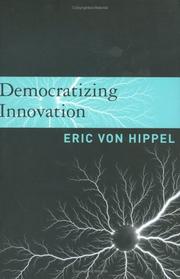 Democratizing innovationEric von HippelAn intellectually empowering exploration of how everyday users are quietly taking the reins of global innovation.
 You are not a gadgetJaron LanierA passionate, eccentric plea to reclaim your humanity from the flattening algorithms of the modern web.
 Free cultureLawrence LessigAn impassioned, accessible manifesto that reframes how we think about art, ownership, and the future of the internet.
 RemixLawrence LessigAn incisive, thought-provoking exploration of how digital culture is fighting back against restrictive corporate copyright.
 Information Doesn't Want to Be FreeCory DoctorowA passionate, pragmatic manifesto for surviving and thriving as a creator in the digital age.