Books › The woman who shot Mussolini

The woman who shot Mussolini
400 pages
A gripping, elegant retrieval of a forgotten woman whose single act of defiance was swallowed by the shadows of history.
What it feels like
Reading this biography feels like stepping into a shadowy, tense corner of the interwar period, where the glittering world of the Anglo-Irish aristocracy collides with the brutal rise of European fascism. The narrative unfolds at a steady, deliberate pace, anchoring a moment of explosive violence within a deeply empathetic exploration of a life systematically erased. The prose is elegant and meticulously researched, treating its subject not as a historical footnote or a madwoman, but as a complex figure driven by profound conviction. It carries a melancholic, tragic mood, lingering on the devastating personal costs of political defiance and the cruelties of institutionalization. This is a compelling read for anyone drawn to narrative history that rescues marginalized women from obscurity, offering a poignant reflection on who gets to write the past.
- Mood
- somber
- tense
- melancholic
- shadowy
- Tone
- empathetic
- investigative
- elegant
- tragic
- Pace
- steady
- Themes
- historical erasure · political radicalization · the stigma of madness · aristocratic decline · courage and consequence
- The writing
- Elegant and meticulously researched, blending the suspense of a thriller with the rigorous detail of narrative history.
- The arc
- Moves from the gripping tension of a singular violent act into a poignant, melancholic exploration of a life systematically erased by history.
- Who it's for
- Readers who love uncovering forgotten historical figures and appreciate narrative non-fiction that explores the intersection of gender, mental health, and political extremism.
Content notes
- mental illness
- institutionalization
- gun violence
- fascism
About the book
This book is the astonishing untold story of a woman who tried to stop the rise of Fascism and change the course of history. At 11 a.m. on Wednesday, April 7, 1926, a woman stepped out of the crowd on Rome’s Campidoglio Square. Less than a foot in front of her stood Benito Mussolini. As he raised his arm to give the Fascist salute, the woman raised hers and shot him at point-blank range. Mussolini escaped virtually unscathed, cheered on by practically the whole world. Violet Gibson, who expected to be thanked for her action, was arrested, labeled a “crazy Irish spinster” and a “half-mad mystic”—and promptly forgotten. Now, in an elegant work of reconstruction, Frances Stonor Saunders retrieves this remarkable figure from the lost historical record. She examines Gibson’s aristocratic childhood in the Dublin elite, with its debutante balls and presentations at court; her engagement with the critical ideas of the era—pacifism, mysticism, and socialism; her completely overlooked role in the unfolding drama of Fascism and the cult of Mussolini; and her response to a new and dangerous age when anything seemed possible but everything was at stake. In a grand tragic narrative, full of suspense and mystery, conspiracy and backroom diplomacy, Stonor Saunders vividly resurrects the life and times of a woman who sought to forestall catastrophe, whatever the cost. - Publisher.
Description from Open Library.
Books like The woman who shot Mussolini
See why they match Assassination vacationSarah VowellA delightfully morbid and deeply nerdy road trip through the weirdest, darkest corners of American history.
 The strange death of EuropeDouglas MurrayA somber, urgent lament for a continent's shifting cultural identity and uncertain future.
 JFK and the unspeakableJames W. DouglassA methodical, dread-inducing descent into the shadows of the Cold War military-industrial complex and the tragic cost of pursuing peace.
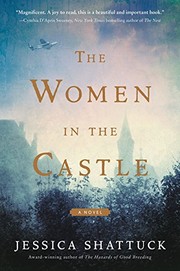 The women in the castleJessica ShattuckA propulsive, haunting exploration of three widows forging a makeshift family in the smoldering ruins of post-war Germany.
 The destiny of the republicCandice MillardA gripping, tragic collision of politics, madness, and medical hubris that reads with the breathless urgency of a thriller.
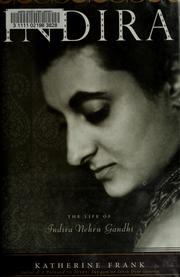 IndiraKatherine FrankA sweeping, psychologically rich portrait of a woman who became synonymous with her nation, balancing absolute power with profound personal isolation.