Books › The World Atlas of Coffee
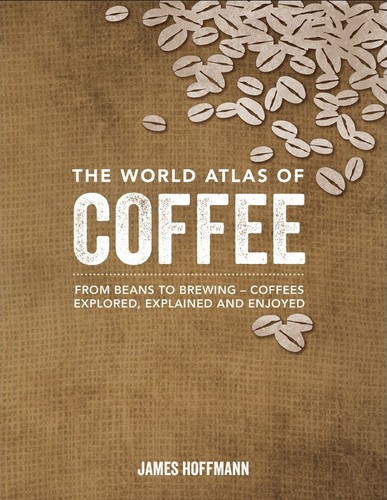
The World Atlas of Coffee
From Beans to Brewing — Coffees Explored, Explained and Enjoyed
288 pages
A rich, globally expansive journey that transforms a simple morning ritual into a profound connection with history, geography, and craft.
What it feels like
Reading this book feels like sitting down with a deeply knowledgeable friend over a perfectly brewed pour-over. It is a leisurely, expansive experience that invites you to browse, linger, and absorb the rich tapestry of global agriculture. The mood is both cozy and intellectually stimulating, grounding the reader in the sensory pleasures of a daily ritual while expanding their gaze to the equatorial mountains and valleys where the journey begins. The prose is crisp, accessible, and infused with a quiet passion for the craft, never tipping into snobbery. It delights the curious epicurean and the home brewer alike, transforming an everyday beverage into a profound story of human endeavor, colonial history, and meticulous artistry. You will never look at your morning cup the same way again.
- Mood
- cozy
- intellectually stimulating
- expansive
- Tone
- authoritative
- accessible
- passionate
- respectful
- Pace
- leisurely
- Themes
- global interconnectedness · agricultural heritage · the pursuit of craft · colonial legacies in agriculture · ritual and daily life
- The writing
- The writing is crisp, highly informative, and deeply engaging, balancing technical precision with an inviting warmth.
- The arc
- The reader's journey shifts from simple curiosity about a morning ritual to a profound, global appreciation for the hands and histories that shape it.
- Who it's for
- Perfect for home brewers, culinary explorers, and anyone who wants to deepen their relationship with their morning cup.
Content notes
- discussions of colonialism
- historical labor exploitation
About the book
This book is a beautiful world guide to the brown bean. Taking the reader on a global tour of coffee-growing countries, The World Atlas of Coffee presents the bean in full-color photographs and concise, informative text. It shows the origins of coffee -- where it is grown, the people who grow it; and the cultures in which coffee is a way of life -- and the world of consumption -- processing, grades, the consumer and the modern culture of coffee. Plants of the genus Coffea are cultivated in more than 70 countries but primarily in equatorial Latin America, Southeast Asia and Africa. For some countries, including Central African Republic, Colombia, Ethiopia, and Honduras, coffee is the number one export and critical to the economy. Organized by continent and then further by country or region, The World Atlas of Coffee presents the brew in color spreads packed with information. They include: The history of coffee generally and regionally; The role of colonialism (for example, in Burundi under colonial rule of Belgium, coffee production was best described as coercive. Every peasant farmer had to cultivate at least 50 coffee trees near their home.); Map of growing regions and detail maps; Charts explaining differences in growing regions within a country; Inset boxes (For example, what is the Potato Defect? Is Cuban coffee legal in the United States?); The politics of coffee and the fair trade, organic and shade grown phenomena; Beautiful color photographs taken in the field. Americans consume 400 million cups of coffee per day, equivalent to 146 billion cups of coffee per year, making the United States the leading consumer of coffee in the world. The World Atlas of Coffee is an excellent choice for these coffee lovers. - Publisher.
Description from Open Library.
Books like The World Atlas of Coffee
See why they match A history of the world in 6 glassesTom StandageA lively, conversational journey through human history that reveals how our favorite beverages shaped the modern world.
 Everything but EspressoScott RaoA deep, methodical dive into the chemistry and physics of brewing the perfect cup of coffee.
 The True History of ChocolateMichael D. CoeA rich, multidisciplinary journey tracing a beloved indulgence from ancient sacred beverage to modern mass commodity.
 Empire of cottonSven BeckertAn unflinching, sweeping examination of the brutal economic engine that built the modern world.
 KrakatoaSimon WinchesterA sweeping, erudite journey that builds from quiet historical context into a terrifying testament to the earth's raw power.
 An edible history of humanityTom StandageA sweeping, accessible journey that transforms the contents of your pantry into a map of human civilization.