Books › Empire of cotton

Empire of cotton
640 pages
An unflinching, sweeping examination of the brutal economic engine that built the modern world.
What it feels like
Reading this book feels like watching a massive, intricate, and deeply unsettling tapestry being woven before your eyes. It is a steady, expansive journey that pulls back the curtain on the modern world, revealing the brutal machinery of global capitalism. The mood is sobering and heavy, grounded in an unflinching examination of imperial expansion, slave labor, and systemic exploitation. Yet, the rich, analytical prose makes the experience profoundly enlightening, connecting disparate global threads into a cohesive narrative of human struggle and economic transformation. It is a thought-provoking read that will captivate history buffs and economic thinkers who are unafraid to confront the disturbing, violent foundations of the systems that shape our present reality.
- Mood
- sobering
- expansive
- heavy
- thought-provoking
- Tone
- scholarly
- unflinching
- analytical
- revelatory
- Pace
- steady
- Themes
- the human cost of capitalism · imperial exploitation · the mechanics of globalization · systems of oppression · historical struggle
- The writing
- Rich, sweeping, and analytical, weaving disparate global threads into a cohesive and enlightening narrative.
- The arc
- Begins with sweeping historical curiosity and deepens into a sobering, disturbing confrontation with the brutal foundations of modern capitalism.
- Who it's for
- History buffs and economic thinkers who want an unflinching look at the dark, complex forces that built the modern global economy.
Content notes
- slavery
- labor exploitation
- imperialism
- systemic oppression
About the book
The epic story of the rise and fall of the empire of cotton, its centrality in the world economy, and its making and remaking of global capitalism. Sven Beckert's rich, fascinating book tells the story of how, in a remarkably brief period, European entrepreneurs and powerful statesmen recast the world's most significant manufacturing industry combining imperial expansion and slave labor with new machines and wage workers to change the world. Here is the story of how, beginning well before the advent of machine production in 1780, these men created a potent innovation (Beckert calls it war capitalism, capitalism based on unrestrained actions of private individuals; the domination of masters over slaves, of colonial capitalists over indigenous inhabitants), and crucially affected the disparate realms of cotton that had existed for millennia. We see how this thing called war capitalism shaped the rise of cotton, and then was used as a lever to transform the world. The empire of cotton was, from the beginning, a fulcrum of constant global struggle between slaves and planters, merchants and statesmen, farmers and merchants, workers and factory owners. In this as in so many other ways, Beckert makes clear how these forces ushered in the modern world. The result is a book as unsettling and disturbing as it is enlightening: a book that brilliantly weaves together the story of cotton with how the present global world came to exist. - Publisher.
Description from Open Library.
Books like Empire of cotton
See why they match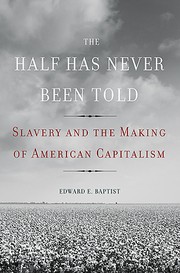 The Half Has Never Been ToldEdward E. BaptistA devastating, paradigm-shifting history that forces a reckoning with the blood and bone upon which American wealth was built.
 The Fabric of CivilizationVirginia PostrelA sweeping, intellectually stimulating journey that reveals how the threads of everyday fabric wove the modern world together.
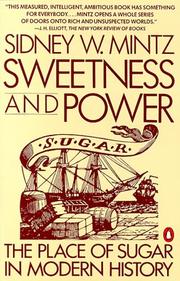 Sweetness and powerMintz, Sidney W.A sobering, eye-opening exploration of how a single sweet commodity shaped the modern capitalist world and its darkest institutions.
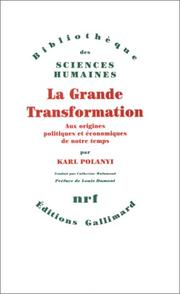 The Great TransformationKarl PolanyiA sweeping, intellectually rigorous dismantling of the free-market myth that fundamentally changes how you view the relationship between society and the economy.
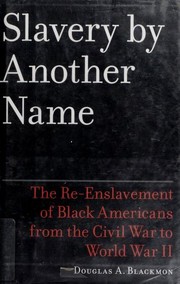 Slavery by another nameDouglas A. BlackmonA devastating, meticulously documented reckoning that shatters the myth of emancipation and exposes the brutal machinery of systemic exploitation.
 Energy in world historyVaclav SmilA sweeping, deeply pragmatic lens on human history that reveals the hidden physical forces shaping our world.