Books › Think Again

Think Again
563 pages
A friendly, intellectually stimulating invitation to dismantle your deepest assumptions and discover the freedom of changing your mind.
What it feels like
Reading this book feels like having a coffee with a brilliant, endlessly curious mentor who gently dismantles your most stubborn beliefs and leaves you thanking them for it. The pace is brisk and engaging, propelled by a seamless mix of psychological research, historical anecdotes, and self-deprecating humor. Instead of making you feel foolish for being wrong, the atmosphere is deeply optimistic and expansive, reframing intellectual humility as a thrilling superpower rather than a weakness. The prose is conversational and accessible, avoiding dense academic jargon in favor of clear, actionable insights. It is a perfect fit for lifelong learners, leaders, and anyone exhausted by the rigid certainties of modern discourse, offering a refreshing, joyful path toward mental flexibility and genuine open-mindedness.
- Mood
- intellectually vibrant
- optimistic
- curious
- expansive
- Tone
- conversational
- encouraging
- inquisitive
- witty
- Pace
- brisk
- Themes
- intellectual humility · the joy of being wrong · mental flexibility · constructive conflict · unlearning
- The writing
- Accessible and anecdote-rich, seamlessly weaving psychological research into engaging, relatable storytelling.
- The arc
- Moves from the comfortable illusion of certainty to a liberating, joyful embrace of the unknown.
- Who it's for
- Curious professionals and lifelong learners eager to break out of echo chambers and upgrade their mental toolkits.
About the book
Think Again is a book about the benefit of doubt, and about how we can get better at embracing the unknown and the joy of being wrong. Evidence has shown that creative geniuses are not attached to one identity, but constantly willing to rethink their stances and that leaders who admit they don't know something and seek critical feedback lead more productive and innovative teams.
New evidence shows us that as a mindset and a skilllset, rethinking can be taught and Grant explains how to develop the necessary qualities to do it. Section 1 explores why we struggle to think again and how we can learn to do it as individuals, arguing that 'grit' alone can actually be counterproductive. Section 2 discusses how we can help others think again through learning about 'argument literacy'. And the final section 3 looks at how schools, businesses and governments fall short in building cultures that encourage rethinking.
In the end, learning to rethink may be the secret skill to give you the edge in a world changing faster than ever.
Description from Open Library.
Books like Think Again
See why they match OriginalsAdam GrantAn invigorating intellectual dinner party that leaves you feeling equipped to change the world, or at least your workplace.
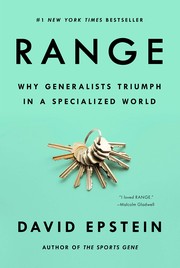 RangeDavid EpsteinA validating and intellectually thrilling defense of the late bloomer, the dabbler, and the jack-of-all-trades.
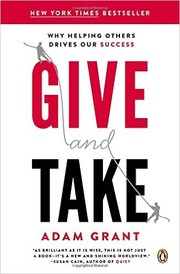 Give and TakeAdam GrantAn uplifting, evidence-based exploration that proves nice guys do not actually have to finish last.
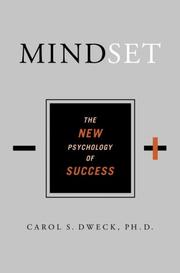 MindsetCarol S. DweckA paradigm-shifting exploration of how our underlying beliefs about our own abilities dictate the boundaries of our success.
 The art of thinking clearlyRolf DobelliA brisk, humbling, and ultimately empowering field guide to outsmarting your own irrational brain.
 How we learnBenedict CareyA reassuring, science-backed permission slip to stop cramming and start letting your brain learn the way it actually wants to.