Books › To Kill a Mockingbird

To Kill a Mockingbird
125 pages
An illuminating, scholarly deep-dive that unpacks the historical and moral scaffolding of an American classic.
What it feels like
Reading this critical study feels like sitting in on a masterclass taught by a passionate, deeply knowledgeable professor. The pace is steady and methodical, guiding the reader through the historical realities of the 1930s South and the 1950s civil rights movement that shaped Harper Lee's masterpiece. The mood is reflective and intellectual, stripping away the nostalgia often associated with the original novel to examine its complex boundaries of race, class, and gender. The prose is lucid and academic yet entirely accessible, designed to enlighten rather than obscure. It is a perfect companion for educators, literature students, or devoted readers seeking a richer, more rigorous understanding of a familiar literary landscape, transforming a childhood favorite into a complex historical artifact.
- Mood
- reflective
- intellectual
- serious
- Tone
- analytical
- insightful
- scholarly
- lucid
- Pace
- steady
- Themes
- literary legacy · historical context of racism · intersection of biography and fiction · moral boundaries
- The writing
- Clear, academic but accessible, structured, and deeply researched.
- The arc
- Moves from a foundational understanding of historical context to a deepened, nuanced appreciation of a beloved classic.
- Who it's for
- Students, educators, and devoted fans of Harper Lee who want to understand the historical and literary scaffolding beneath the classic novel.
Content notes
- discussions of racism
- discussions of sexual assault
- historical racial violence
About the book
Tom Robinson, Mayella Ewell, Atticus and Scout Finch - these are the unforgettable characters that populate To Kill a Mockingbird (1960), Harper Lee's haunting account of a mysterious recluse, a black man accused of raping a white woman, the courageous attorney who defends him, the attorney's son who is traumatized by the trial, and his six-year-old daughter, who narrates the story.
An extraordinary indictment of racism in the American South during the 1930s, To Kill a Mockingbird has sold some 15 million copies, been translated into 10 languages, won a Pulitzer Prize in literature along with dozens of other honors, and been adapted into an Oscar-winning film and a timelessly popular stage play. And yet, for all the novel's distinctions - and, more important, relevance for contemporary readers - until now no book-length critical study has been devoted to it.
Enter Claudia Durst Johnson's To Kill a Mockingbird: Threatening Boundaries, offering not only a corrective but a winningly lucid and enlightening analysis of this great American classic. Drawing on extensive research, Johnson furnishes readers with key insights into the novel's historical and biographical contexts, its place in American literature, and its critical reception.
She then presents a five-part reading of Mockingbird, underscoring the novel's form and elucidating its pertinence for American society today. Special attention is paid to linking the novel's 1930s setting with the concomitant Scottsboro incident and connecting Mockingbird's writing in the 1950s with the concurrent events of the civil rights movement.
An in-depth examination that pays tribute as it informs, To Kill a Mockingbird: Threatening Boundaries holds strong appeal for students, scholars, and general readers. Included in the volume are a Chronology, Notes, Selected Bibliography, and Index.
Description from Open Library.
Books like To Kill a Mockingbird
See why they match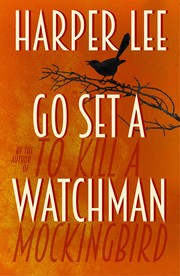 Go Set A WatchmanHarper LeeA painful, necessary dismantling of childhood idols set against the simmering heat and racial tension of the 1950s South.
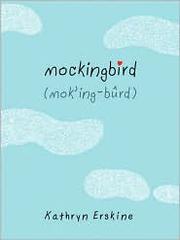 MockingbirdKathryn ErskineA tender, literal-minded exploration of grief that slowly colors outside the lines of a black-and-white world.
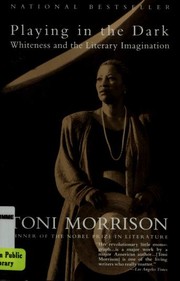 Playing in the darkToni MorrisonA brilliant, paradigm-shifting lens that permanently alters how you read the American literary canon.
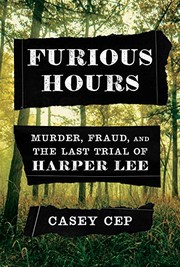 Furious HoursCasey CepA mesmerizing blend of Southern gothic true crime and literary biography that explores the haunting weight of an unfinished masterpiece.
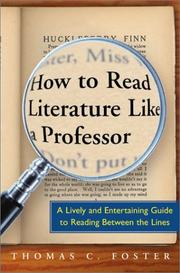 How to read literature like a professorThomas C. FosterA friendly, fireside chat with your favorite English teacher that permanently changes how you consume stories.
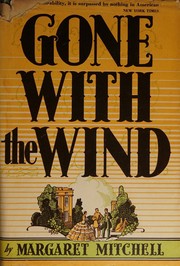 Gone With the WindMitchell, Margaret; Michener, JamesA sweeping, turbulent epic of ruthless survival and unrequited passion set against the fiery collapse of an era.