Books › To the Finland station

To the Finland station
First published 1940 · 608 pages
A sweeping, literary drama of ideas that transforms the evolution of revolutionary thought into a gripping human epic.
What it feels like
Reading this book feels like sitting in a grand, dimly lit library while a master storyteller maps out the tectonic shifts of human thought. It is a steady, deeply absorbing experience that treats philosophy not as dry academic theory, but as a high-stakes, flesh-and-blood drama. The prose is muscular and elegant, weaving intimate biographical portraits of obsessive thinkers with the sweeping, urgent currents of historical change. You are pulled into an atmosphere that is at once fiercely intellectual and profoundly human, tracing an arc from romantic idealism to cold, world-altering pragmatism. It will delight readers who love narrative history and crave a book that makes the slow, dangerous evolution of revolutionary ideas feel as thrilling as any novel.
- Mood
- intellectual
- grand
- urgent
- contemplative
- Tone
- erudite
- passionate
- authoritative
- analytical
- Pace
- steady
- Themes
- the power of ideas · historical determinism · intellectual obsession · theory versus reality · the burden of history
- The writing
- Muscular, elegant, and deeply literary, weaving biographical intimacy with sweeping historical analysis.
- The arc
- Journeys from the intoxicating romance of early philosophical discovery to the cold, high-stakes pragmatism of political revolution.
- Who it's for
- History buffs and philosophy enthusiasts who crave narrative nonfiction that treats the evolution of ideas as a thrilling human drama.
Content notes
- political violence
- historical oppression
- poverty
About the book
Presents the history of revolutionary thought and the birth of socialism, from the French Revolution and the 1824 rediscovery by Jules Michelet of the ideas of Italian political philosopher Giovanni Vico about the perfectibility of man, through the 19th-century collaboration of Marx and Engels, to the 1917 arrival of Vladimir Lenin at Finland Station, Saint Petersburg, to lead the Bolsheviks in the Russian Revolution.--Adapted from Wikipedia.
Description from Open Library.
Books like To the Finland station
See why they match State and RevolutionVladimir Ilyich LeninA fiercely urgent, unapologetic blueprint for dismantling the machinery of the state.
 The End of History and the Last ManFrancis FukuyamaA sweeping, mountaintop view of human civilization that leaves you wrestling with the quiet anxiety of what happens after we win the ideological war.
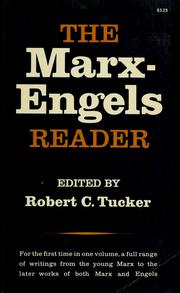 The Marx-Engels readerRobert C. TuckerA dense, fiery plunge into the foundational texts of systemic critique and revolutionary thought.
 Der 18. Brumaire des Louis BonaparteKarl MarxA profound and analytical exploration of how history repeats itself through the lens of 19th-century French political upheaval.
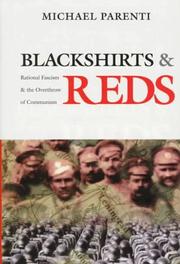 Blackshirts and RedsMichael ParentiA fiery, unapologetic dismantling of mainstream historical narratives that arms the reader with a sharp, clarifying lens on global power.
 A people's tragedyOrlando FigesAn epic, devastating tapestry of a society tearing itself apart, woven from the intimate threads of the lives it crushed.