Books › A people's tragedy

A people's tragedy
1024 pages
An epic, devastating tapestry of a society tearing itself apart, woven from the intimate threads of the lives it crushed.
What it feels like
Reading this monumental history feels like watching a slow-motion avalanche from the perspective of the people caught in its path. The pace is steady and deliberate, demanding your full attention as it builds a sweeping, cinematic panorama of a decaying empire. Yet, for all its grand geopolitical scope, the mood remains deeply intimate and profoundly melancholic. The narrative is anchored not just by tsars and revolutionaries, but by the diaries and letters of peasants, poets, and soldiers whose hopes are systematically crushed under the weight of history. It is a somber, emotionally taxing experience that immerses you in the tumultuous atmosphere of a society collapsing into violence. This is a masterful, tragic epic for readers who want to feel the human heartbeat beneath the cold facts of history.
- Mood
- somber
- tumultuous
- oppressive
- melancholic
- Tone
- authoritative
- empathetic
- tragic
- analytical
- sweeping
- Pace
- steady
- Themes
- the crushing weight of history · collapse of idealism · human resilience amid chaos · systemic decay · tragedy of unintended consequences
- The writing
- Cinematic and deeply researched, the writing seamlessly weaves grand geopolitical analysis with the poignant, intimate diaries of everyday people.
- The arc
- The journey begins with the simmering tension of a decaying empire, swells with the intoxicating hope of revolution, and ultimately plunges into the devastating despair of totalitarian violence.
- Who it's for
- Readers who crave immersive, narrative-driven history that balances epic societal shifts with devastatingly personal human stories.
Content notes
- war and combat
- political violence
- mass starvation
- executions
- systemic oppression
About the book
It is a history on an epic yet human scale. Orlando Figes provides a panorama of Russian society on the eve of the revolution, and then narrates the story of how these social forces were violently suppressed. Within the broad strokes of war and revolution are miniature histories of individuals - pieced together from their private writings - in which Figes follows the main players' fortunes as they saw their hopes die and their world crash into ruins.
There is the patriotic general Brusilov, the progressive peasant Semenov, the critical socialist Maxim Gorky...individuals whose lives collapsed under the weight of history.
Thus develops a remarkable and unique perspective on what is considered by some to be the century's most important event. Figes depicts the revolution as a tragedy - both for the Russians as a people and for so many individuals whose lives became caught up in the storm. Yet he also shows that the major social forces - the peasantry, the workers, the soldiers, and the subject people of the empire - were not just the victims of the Bolsheviks but also actors in their own complex revolutionary tragedies.
Figes argues that the failure of democracy in 1917 was deeply rooted in Russian culture and social history and that what had begun as a people's revolution contained the seeds of its degeneration into violence and dictatorship.
Description from Open Library.
Books like A people's tragedy
See why they match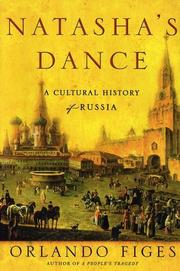 Natasha's DanceOrlando FigesA sweeping, deeply textured journey into the soul of a nation, told through the artists, peasants, and dreamers who shaped it.
 The great terrorRobert ConquestA scrupulous and deeply disturbing chronicle that blends poetic prose with rigorous research to capture the tragedy of state-sponsored terror.
 OctoberChina MievilleA breathless, novelistic plunge into the chaotic, electric months of a world-altering revolution.
 Nicholas and AlexandraRobert K. MassieA sweeping, dread-soaked tapestry of an empire's collapse, viewed through the intimate, tragic lens of a doomed family's fatal devotion.
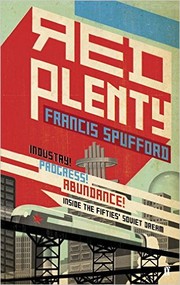 Red PlentyFrancis SpuffordA brilliant, tragicomic exploration of a doomed utopia, where the magic of mathematics collides with the messy reality of human nature.
 GulagAnne ApplebaumA monumental, unflinching descent into the architecture of totalitarian terror and the staggering resilience of those trapped within its shadow.