Books › Triggers

Triggers
272 pages
A practical, mirror-holding guide to understanding why we react the way we do and how to finally change it.
What it feels like
Reading this book feels like sitting down with a seasoned executive coach who sees right through your excuses but still believes in your potential. The pacing is brisk and purposeful, moving swiftly from relatable anecdotes of workplace friction to concrete, actionable frameworks. It cultivates a mood of grounded introspection, asking you to look honestly at the environmental cues that derail your best intentions. The prose is conversational and direct, stripping away psychological jargon in favor of practical wisdom and the powerful simplicity of active questions. It is an empowering, pragmatic experience designed for professionals and lifelong learners who are tired of falling back into old habits and are ready to embrace the structured work of lasting behavioral change.
- Mood
- focused
- optimistic
- grounded
- introspective
- Tone
- pragmatic
- encouraging
- direct
- authoritative
- Pace
- brisk
- Themes
- personal accountability · behavioral change · environmental awareness · habit formation · self-mastery
- The writing
- Clear, conversational, and anecdote-driven, prioritizing actionable takeaways over academic jargon.
- The arc
- Moves from the frustrating realization of our reactive flaws to an empowering sense of agency and structured control.
- Who it's for
- Professionals and self-improvers looking for practical, no-nonsense frameworks to overcome their own self-sabotaging habits.
About the book
Executive coach and psychologist Marshall Goldsmith discusses the emotional triggers that set off a reaction or a behavior in us that often works to our detriment. Do you find that at times you suddenly become defensive or enraged by an idle comment from a colleague? Or that your temper rises when another car cuts you off in traffic? Your reactions don't occur in a vacuum. They are the result of emotional and psychological triggers that often happen only in specific settings -- at meetings, or in competitive situations, or with a specific person who rubs you the wrong way, or when you feel under particular pressure. Being able to recognize those triggers and understand how the environment affects our behavior is key to controlling our responses and managing others at work and in life. Make no mistake -- change is hard. And the starting point is the willingness to accept help, and the desire to change. Over the course of this book, Marshall explores the power of active questions to get us to take responsibility for our actions -- and our failure to act. Questions such as "Did I do my best to make progress toward my goal?" "Did I work hard at being fully engaged?" He discusses the importance of structure in effecting permanent change. Because, he points out, change is hard, and without a structure to keep us on track, we inevitably relapse and fall back. Filled with stories from Marshall's work with executives and leaders, Triggers shows readers how to achieve meaningful and sustained change that will allow us to open our imaginations and escape the rigidity of binary thinking.
Description from Open Library.
Books like Triggers
See why they match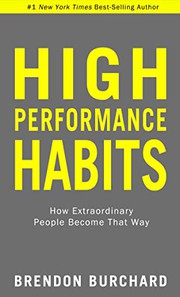 High performance habitsBrendon BurchardA high-octane blueprint for turning ambition into sustainable, joyful achievement.
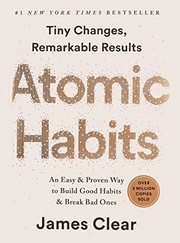 Atomic HabitsJames ClearA highly practical, deeply encouraging manual that dismantles the overwhelm of self-improvement by focusing on the power of tiny, compounding changes.
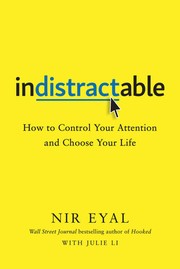 IndistractableNir EyalA practical, empowering toolkit for silencing the noise and reclaiming your most valuable resource: your attention.
 Tiny HabitsB. J. FoggA guilt-free, scientifically backed sigh of relief for anyone exhausted by the demands of radical self-improvement.
 The Power of HabitCharles DuhiggA fascinating, story-driven exploration of the invisible scripts that run our lives and how we can rewrite them.
 The coaching habitMichael Bungay StanierA punchy, practical toolkit that transforms the heavy burden of leadership into a light, curious practice of asking the right questions.