Books › Twilight of the idols, or, How to philosophize with the hammer
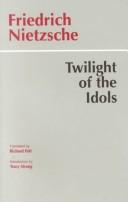
Twilight of the idols, or, How to philosophize with the hammer
96 pages
A gleeful, hammer-swinging demolition of Western philosophy's most sacred beliefs.
What it feels like
Reading this book feels like stepping into a boxing ring with one of history's sharpest minds. It is a brisk, electrifying experience, driven by a prose style that is both highly musical and aggressively combative. The text doesn't just argue; it swings a hammer at the foundational pillars of Western morality, religion, and philosophy, leaving the reader intellectually dizzy but profoundly invigorated. The tone is unapologetically arrogant, witty, and iconoclastic, demanding that you either defend your deepest convictions or watch them shatter. It delights intellectual rebels and those who crave philosophy that feels dangerous and alive. You will emerge from its aphoristic, punchy chapters feeling a bracing, almost terrifying sense of intellectual liberation.
- Mood
- combative
- electrifying
- intellectually dizzying
- intense
- Tone
- polemical
- witty
- iconoclastic
- arrogant
- provocative
- Pace
- brisk
- Themes
- destruction of dogma · revaluation of values · critique of morality · intellectual liberation · the illusion of truth
- The writing
- Aphoristic, musical, and aggressively sharp, wielding language like a weapon to dismantle established truths.
- The arc
- Begins with a bracing shock to the intellect and builds toward a dangerous, exhilarating sense of philosophical freedom.
- Who it's for
- Intellectual rebels and philosophy enthusiasts who love seeing sacred cows slaughtered with brilliant, unapologetic prose.
Content notes
- anti-religious sentiment
- philosophical elitism
- discussions of death
About the book
Twilight of the Idols, which deals with what we worship and why, presents a vivid overview of many of Nietzsche's mature ideas - including his attack on Plato's Socrates and on the Platonic legacy in Western philosophy and culture - and anticipates his projected revaluation of all values.
Accompanied by a fascinating Introduction by Tracy Strong, Richard Polt's new translation faithfully and beautifully renders this highly formal, even musical, late work of Nietzsche's, which Nietzsche characterized as "a very sharp, precise and quick digest of my essential philosophical heterodoxies," and which offers such an excellent introduction to his thought. Includes select bibliography, notes, and index.
Description from Open Library.
Books like Twilight of the idols, or, How to philosophize with the hammer
See why they match Der AntichristFriedrich NietzscheA blistering, unapologetic philosophical hammer taken to the foundations of Western morality.
 Menschliches, AllzumenschlichesFriedrich NietzscheA bracing plunge into the cold bath of reason, stripping away the comforting illusions of morality and metaphysics.
 Jenseits von Gut und BöseFriedrich Wilhelm NietzscheA fiery, aphoristic demolition of traditional morality that challenges you to forge your own values in the ruins of absolute truth.
 Also sprach ZarathustraFriedrich NietzcheA thunderous, poetic descent from the mountaintop to deliver a radical gospel of self-creation and existential joy.
 On the advantage and disadvantage of history for lifeFriedrich Wilhelm NietzscheA rigorous, reflective exploration of how the study of the past shapes and serves modern philosophical thought.
 A History of Western PhilosophyBertrand RussellA sweeping, witty, and highly opinionated journey through the minds that shaped Western civilization.