Books › Unbehagen in der Kultur

Unbehagen in der Kultur
192 pages
A stark, brilliant dissection of why human beings are fundamentally wired to chafe against the very societies they built to protect themselves.
What it feels like
Reading this foundational text feels like sitting in a dimly lit study with a brilliant, deeply pessimistic mentor who is calmly dismantling your most comforting illusions. The pace is steady and methodical, carrying you through a lucid, discursive exploration of why human beings are so fundamentally unhappy. The mood is stark and melancholic, steeped in the heavy realization that the very structures we built to keep us safe are exactly what repress our deepest instincts and generate our profoundest guilt. The prose is surprisingly literary, trading clinical detachment for striking metaphors and philosophical weight. It is a deeply sobering experience, perfect for readers who crave intellectual rigor and are unafraid to stare directly into the darker, self-destructive currents of human nature.
- Mood
- contemplative
- melancholic
- intellectual
- stark
- Tone
- analytical
- pessimistic
- authoritative
- reflective
- somber
- Pace
- steady
- Themes
- the cost of civilization · repression of desire · the death drive · inevitability of suffering · guilt and conscience
- The writing
- Lucid, discursive, and highly literary, built on methodical arguments and striking, memorable metaphors.
- The arc
- Begins with a philosophical inquiry into human happiness and descends into a sobering confrontation with our inescapable destructive instincts.
- Who it's for
- Thinkers and armchair philosophers who enjoy confronting uncomfortable truths about human nature and the hidden psychological costs of modern life.
Content notes
- existential dread
- discussions of death
- sexual repression
- violence
About the book
"Written in the decade before Freud’s death, Civilization and Its Discontents may be his most famous and most brilliant work. It has been praised, dissected, lambasted, interpreted, and reinterpreted. Originally published in 1930, it seeks to answer several questions fundamental to human society and its organization: What influences led to the creation of civilization? Why and how did it come to be? What determines civilization’s trajectory? Freud’s theories on the effect of the knowledge of death on human existence and the birth of art are central to his work. " - W. W. Norton & Co.
Description from Open Library.
Books like Unbehagen in der Kultur
See why they match Totem und TabuSigmund FreudAn analytical deep-dive into the psychological architecture of ancient beliefs and modern societal boundaries.
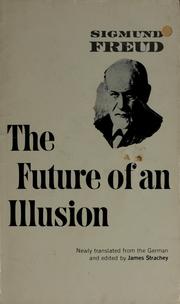 Zukunft einer IllusionSigmund FreudA foundational, analytical exploration of how humanity's deepest wishes manifest as religious belief.
 Man and His SymbolsCarl Gustav JungA guided descent into the labyrinth of the unconscious mind, illuminating the hidden language of dreams and myths.
 The Sane SocietyErich FrommA compassionate, clear-eyed diagnosis of modern alienation that offers a hopeful blueprint for reclaiming our shared humanity.
 Childhood and societyErik H. EriksonA foundational, deeply humanistic exploration of how the echoes of our earliest years reverberate through the cultures we build.
 La Société du spectacleGuy DebordA radical, aphoristic dismantling of modern consumer culture that exposes the pervasive illusions of everyday life.