Books › Uncle Tom's Cabin
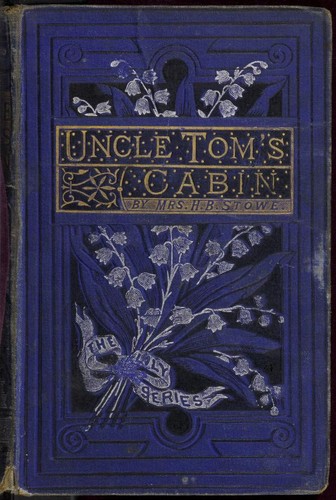
Uncle Tom's Cabin
First published 1964 · 1477 pages
A sweeping, impassioned plea to the conscience that wields profound sorrow and moral outrage as its primary weapons.
What it feels like
Reading this foundational text is an exercise in confronting the raw, impassioned moral outrage of the nineteenth century. The narrative unfolds with a steady, episodic rhythm, immersing the reader in a heavy, sorrowful atmosphere that is frequently punctuated by moments of desperate tension and profound spiritual resilience. The prose is highly emotive and unapologetically didactic, often breaking the fourth wall to directly challenge the reader's conscience. It feels less like a traditional novel and more like a fervent sermon woven into a sprawling melodrama. This is a book for readers who appreciate historically significant literature that wrestles with the darkest chapters of American history, offering an emotionally exhausting but historically vital journey through systemic cruelty, the sanctity of family, and the ultimate cost of moral conviction.
- Mood
- sorrowful
- righteous
- heavy
- tragic
- Tone
- earnest
- didactic
- impassioned
- sentimental
- moralistic
- Pace
- steady
- Themes
- systemic cruelty · Christian martyrdom · sanctity of family · moral duty versus law · spiritual resilience
- The writing
- Highly emotive, direct, and rhetorical, characterized by nineteenth-century sentimentality and frequent, impassioned appeals to the reader's conscience.
- The arc
- Moves from anxious separation and desperate flight to profound suffering, culminating in a tragic but spiritually triumphant martyrdom.
- Who it's for
- Readers drawn to foundational American literature and deeply moral, emotionally sweeping narratives that confront historical injustices.
Content notes
- slavery
- racial slurs
- physical abuse
- child separation
- death of a child
About the book
This unforgettable novel tells the story of Tom, a devoutly Christian slave who chooses not to escape bondage for fear of embarrassing his master. However, he is soon sold to a slave trader and sent down the Mississippi, where he must endure brutal treatment. This is a powerful tale of the extreme cruelties of slavery, as well as the price of loyalty and morality. When first published, it helped to solidify the anti-slavery sentiments of the North, and it remains today as the book that helped move a nation to civil war.
"So this is the little lady who made this big war." Abraham Lincoln's legendary comment upon meeting Mrs. Stowe has been seriously questioned, but few will deny that this work fed the passions and prejudices of countless numbers. If it did not "make" the Civil War, it flamed the embers. That Uncle Tom's Cabin is far more than an outdated work of propaganda confounds literary criticism. The novel's overwhelming power and persuasion have outlived even the most severe of critics. As Professor John William Ward of Amherst College points out in his incisive Afterword, the dilemma posed by Mrs. Stowe is no less relevant today than it was in 1852: What is it to be "a moral human being"? Can such a person live in society -- any society? Commenting on the timeless significance of the book, Professor Ward writes: "Uncle Tom's Cabin is about slavery, but it is about slavery because the fatal weakness of the slave's condition is the extreme manifestation of the sickness of the general society, a society breaking up into discrete, atomistic individuals where human beings, white or black, can find no secure relation one with another. Mrs. Stowe was more radical than even those in the South who hated her could see. Uncle Tom's Cabin suggests no less than the simple and terrible possibility that society has no place in it for love." - Back cover.
Description from Open Library.
Books like Uncle Tom's Cabin
See why they match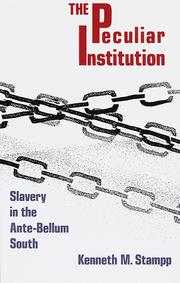 The peculiar institutionKenneth M. StamppA rigorous, myth-shattering historical examination that lays bare the brutal economic realities of American slavery.
 Narrative of the life of Frederick DouglassFrederick DouglassA searing, eloquent testament to the human will to be free, forged in the crucible of America's darkest institution.
 Incidents in the Life of a Slave GirlHarriet A. JacobsA harrowing, deeply personal testament to a mother's unbreakable will to secure freedom and bodily autonomy against insurmountable odds.
 BelovedToni MorrisonA devastating, ghost-haunted masterpiece that pulls you into the deep, dark waters of memory and refuses to let you go unchanged.
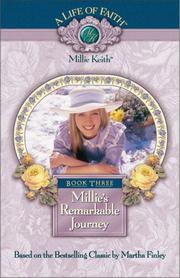 Millie's Remarkable Journey, Book 3Martha FinleyAn earnest historical journey where a young woman's sheltered faith is tested by the harsh realities of the wider world.
 The Underground RailroadColson WhiteheadA harrowing, surreal odyssey through the darkest chapters of American history, propelled by an unyielding will to survive.