Books › The peculiar institution

The peculiar institution
First published 1956 · 436 pages
A rigorous, myth-shattering historical examination that lays bare the brutal economic realities of American slavery.
What it feels like
Reading this foundational text feels like watching a long-standing, comforting myth be systematically dismantled under the harsh light of historical evidence. The pace is steady and methodical, driven by a polished, authoritative prose style that refuses to look away from the stark realities of human exploitation. Rather than relying on emotional manipulation, the narrative builds a devastatingly objective case, creating a heavy, sobering mood that lingers long after the final page. It is an unflinching exploration of power, labor, and survival that fundamentally shifts how one understands American history. This is essential reading for those who crave rigorous, truth-telling scholarship that cuts through historical romanticism to expose the brutal mechanics of systemic oppression.
- Mood
- sobering
- heavy
- reflective
- stark
- Tone
- scholarly
- unflinching
- objective
- authoritative
- corrective
- Pace
- steady
- Themes
- systemic exploitation · historical truth-telling · resistance and survival · dismantling mythology · the brutal mechanics of power
- The writing
- Clear, polished, and rigorously analytical, relying on precise factual evidence rather than emotional rhetoric to make its devastating points.
- The arc
- Moves from a clinical examination of economic systems to a profound, sobering realization of immense human suffering and resilience.
- Who it's for
- History enthusiasts, students of American race relations, and readers seeking foundational, myth-busting texts about the realities of American slavery.
Content notes
- systemic racism
- enslavement
- physical abuse and torture
- historical trauma
About the book
In ten sparkling chapters the book details and illuminates every aspect of slavery....Slavery is viewed not as a method of regulating race relations, not as an arrangement that was in its essence paternalistic, but as a practical system of controlling and exploiting labor. How the slaves worked, how they resisted bondage, how they were disciplined, how they lived their lives in the quarters, and how they behaved toward each other and toward their masters are themes which receive full exploration....The materials are handled with imagination and verve, the style is polished, the factual evidence is precise and accurate. Some scholars will disagree with the conclusions. No one can afford to disregard them. - Frank W. Klingberg, American Historical Review - Back cover.
THIS BOOKS DISCUSSES THE INSTITUTION OF SLAVERY AS IT WAS PRACTICED IN THE UNITED STATES OF AMERICA. MR.STAMPP CONFRONTS MANY OF THE MYTHS ASSOCIATED WITH THE ATTITUDES OF THE BLACKS TOWARDS THEIR OWNERS, AS WELL AS THE TREATMENT OF SLAVES BY THEIR OWNERS. I READ THIS BOOK YEARS AGO AND WANT TO REVISIT YHE BOOK BECAUSE OF MY GRANDCHILDREN. THEY NEED TO KNOW MORE THAN WHAT IS IN THEIR HISTORY BOOKS AT SCHOOL.
Description from Open Library.
Books like The peculiar institution
See why they match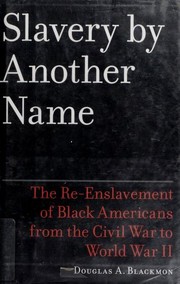 Slavery by another nameDouglas A. BlackmonA devastating, meticulously documented reckoning that shatters the myth of emancipation and exposes the brutal machinery of systemic exploitation.
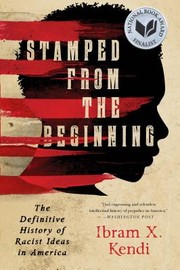 Stamped from the BeginningIbram X. KendiA monumental, paradigm-shifting journey through the intellectual history of American racism that demands a fundamental rewiring of how you view the present.
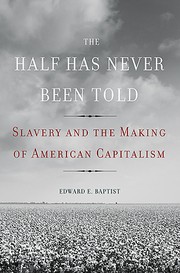 The Half Has Never Been ToldEdward E. BaptistA devastating, paradigm-shifting history that forces a reckoning with the blood and bone upon which American wealth was built.
 From slavery to freedomJohn Hope FranklinA monumental and deeply dignified exploration of resilience, tracing the long and ongoing struggle for Black liberation and cultural triumph.
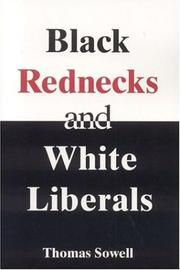 Black Rednecks And White LiberalsThomas SowellA blunt, data-driven dismantling of modern orthodoxies surrounding race, culture, and history.
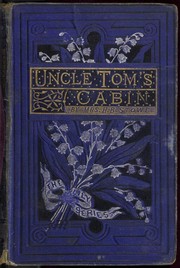 Uncle Tom's CabinHarriet Beecher StoweA sweeping, impassioned plea to the conscience that wields profound sorrow and moral outrage as its primary weapons.