Books › Uncle Tungsten

Uncle Tungsten
Memories of a Chemical Boyhood
First published 2001 · 535 pages
A luminous memoir of a boy finding refuge from wartime trauma in the explosive, orderly magic of chemistry.
What it feels like
Reading this memoir feels like stepping into a dusty, sunlit laboratory filled with bubbling flasks and the scent of ozone. It is a deeply humane and inquisitive book that moves at a steady, reflective pace, balancing the dark shadows of wartime displacement and boarding school cruelty with the incandescent joy of scientific discovery. The prose is both precise and poetic, capturing the sheer magic of the physical world through the eyes of a lonely boy seeking order in chaos. You are immersed in an atmosphere of intellectual wonder and eccentric family warmth. It is a perfect read for anyone who delights in the history of science, the quirks of brilliant minds, and the profound ways that curiosity can save us.
- Mood
- wonder-filled
- intellectually luminous
- shadowed
- cozy
- Tone
- nostalgic
- inquisitive
- earnest
- affectionate
- Pace
- steady
- Themes
- the refuge of science · childhood curiosity · finding order in chaos · eccentric family dynamics · the magic of the physical world
- The writing
- Luminous, precise, and deeply humane, blending scientific exactitude with poetic reverence.
- The arc
- Moves from the trauma and displacement of a wartime childhood to the empowering, stabilizing discovery of scientific order.
- Who it's for
- Readers who love memoirs of intellectual awakening, science history, and stories of eccentric, brilliant families.
Content notes
- wartime trauma
- child abuse
- bullying
About the book
"From his earliest days, Oliver Sacks - the distinguished neurologist who is also one of the most remarkable storytellers of our time - was irresistibly drawn to understanding the natural world. Born into a large family of doctors, metallurgists, chemists, physicists, and teachers, his curiosity was encouraged and abetted by aunts, uncles, parents, and older brothers.
But soon after his sixth birthday, the Second World War broke out and he was evacuated from London - as were hundreds of thousands of children - to escape the bombing. Exiled to a school that rivaled Dickens's grimmest, fed on a steady diet of turnips and beetroots, tormented by a sadistic headmaster, and allowed home only once in four years, he felt desolate and abandoned.".
"When he returned to London in 1943 at the age of ten, he was a changed, withdrawn boy, one who desperately needed order to make sense of his life. He was sustained by his secret passions: for numbers, for metals, and for finding patterns in the world around him.
Under the tutelage of his "chemical" uncle, Uncle Tungsten, Sacks began to experiment with "the stinks and bangs that almost define a first entry into chemistry": tossing sodium off a bridge to see it take fire in the water below; producing billowing clouds of noxious smelling chemicals in his home lab. As his interests spread to investigations of batteries and bulbs, vacuum tubes and photography, he discovered his first great scientific heroes - men and women whose genius lay in understanding the hidden order of things and disclosing the forces that sustain and support the tangible world.
There was Humphry Davy, the boyish chemist who delighted in sending flaming globules of metal shooting across his lab; Marie Curie, whose heroic efforts in isolating radium would ultimately lead to the unlocking of the secrets of the atom; and Dmitri Mendeleev, inventor of the periodic table, whose pursuit of the classification of elements unfolds like a detective story.".
"Uncle Tungsten evokes a time when virtual reality had not yet displaced a hands-on knowledge of the world. It draws us into a journey of discovery that reveals, through the enchantment and wonder of a childhood passion, the birth of an extraordinary and original mind."--BOOK JACKET.
Description from Open Library.
Books like Uncle Tungsten
See why they match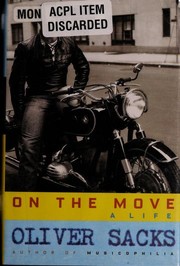 On the MoveOliver SacksA deeply human, restless exploration of a brilliant mind racing to understand itself and the world.
 An Anthropologist on MarsOliver SacksA deeply empathetic and wondrous exploration of the extraordinary landscapes of the human mind.
 The Brain That Changes ItselfNorman DoidgeAn awe-inspiring exploration of human resilience that will fundamentally change how you view your own mind's potential.
 The Disappearing SpoonSam KeanA delightfully quirky romp through the periodic table that reveals the eccentricities, obsessions, and scandals behind the building blocks of our universe.
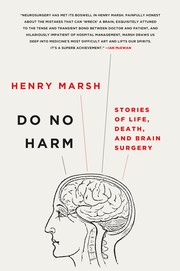 Do No HarmMarsh, HenryA brutally honest, high-stakes meditation on the fragility of human life and the heavy burden of holding it in your hands.
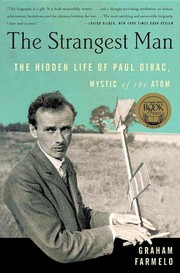 The strangest manGraham FarmeloAn illuminating journey into the brilliant, contradictory mind of one of modern science's most enigmatic figures.