Books › Undocumented DOS
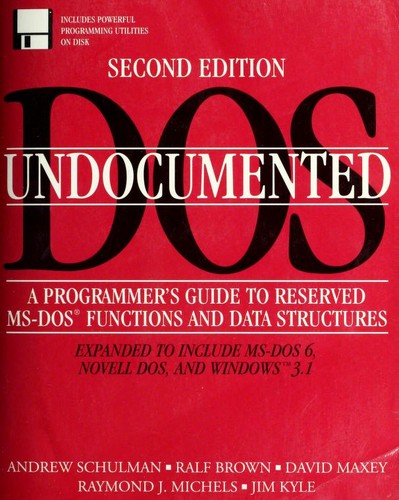
Undocumented DOS
856 pages
An exhaustive, highly technical deep-dive into the hidden architecture of classic operating systems.
What it feels like
Reading this massive reference work feels like stepping into a highly organized, deeply technical archive of early computing. The pace is steady and methodical, designed for the focused reader who wants to pore over more than eight hundred pages of system architecture, bibliographical references, and hidden operating mechanics. The mood is distinctly analytical and systematic, offering an authoritative deep-dive into the undocumented layers of classic software environments. Its prose is strictly functional and highly structured, prioritizing exhaustive detail and reference utility. It is a book that will delight programmers, computer historians, and dedicated tech enthusiasts who find deep satisfaction in uncovering the hidden, foundational knowledge of early PC operating systems.
- Mood
- focused
- archival
- systematic
- Tone
- analytical
- authoritative
- technical
- exhaustive
- Pace
- steady
- Themes
- technical exploration · system architecture · hidden knowledge · computing history
- The writing
- Highly technical and structured, prioritizing clarity, exhaustive detail, and reference utility over narrative flow.
- The arc
- A journey from technical curiosity to a comprehensive, exhaustive understanding of hidden system mechanics.
- Who it's for
- Programmers, computer historians, and tech enthusiasts who love digging into the deep, hidden architecture of early operating systems.
About the book
Includes bibliographical references (p. 835-846) and index. System requirements for computer disk: IBM-compatible PC; MS-DOS 3.1 or higher; 1.4MB floppy disk drive; hard disk with 5MB free space. "Expanded to include MS-DOS 6, Novell DOS, and Windows 3.1"--Cover.
Description from Open Library.
Books like Undocumented DOS
See why they match Programming Windows 3.1Charles PetzoldA deeply focused, instructional guide to mastering the architecture and development environment of early 1990s personal computing.
 Assembly language for Intel-based computersIrvineA methodical descent into the bare metal of computing, trading high-level abstraction for absolute, granular control.
 Authoring interactive multimediaArch C. LutherA methodical, hands-on guide to the nuts and bolts of digital multimedia creation and system design.
 IBM PC assembly language and programmingAbel, PeterA rigorous, bare-metal descent into the foundational logic of early personal computing.
 Precision machine designAlexander H. SlocumA rigorous, deep dive into the exacting physics and practical mechanics of building things that work perfectly.
 Mastering today's softwareEdward G. Martin and Charles S. ParkerA highly structured, utilitarian journey into the foundational bedrock of early 1990s personal computing.