Books › Urban economics

Urban economics
First published 1990 · 774 pages
A rigorous, illuminating look under the hood of the modern metropolis, revealing the economic engines that drive urban life.
What it feels like
Reading this book feels like putting on a pair of X-ray glasses that reveal the invisible market forces shaping the concrete world around you. The pace is steady and methodical, characteristic of a foundational text, guiding the reader through complex spatial models with authoritative clarity. The mood is deeply intellectual and pragmatic, grounded in the realities of public policy, land use, and urban sprawl. Rather than relying on emotional appeals, the prose is lucid and structured, appealing to the analytical mind. It delights economics students, urban planners, and policy enthusiasts who crave a rigorous, objective understanding of why cities grow, how they function, and what economic gears turn beneath the pavement of our daily commutes.
- Mood
- intellectual
- pragmatic
- structured
- Tone
- analytical
- objective
- authoritative
- clear
- Pace
- steady
- Themes
- the hidden mechanics of cities · spatial organization · market forces and public policy · urban growth and decay
- The writing
- Methodical, lucid, and highly structured, prioritizing clarity and empirical evidence over stylistic flourish.
- The arc
- Begins with a foundational curiosity about why cities exist and builds toward a satisfying, complex comprehension of urban policy and spatial dynamics.
- Who it's for
- Economics students, urban planners, and policy nerds who want to understand the invisible market forces shaping the streets they walk on.
Content notes
- discussions of urban poverty
- discussions of racial segregation
Books like Urban economics
See why they match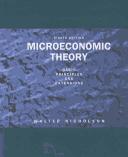 Microeconomic TheoryWalter NicholsonA rigorous, structured exploration of the foundational principles and theoretical extensions of microeconomics.
 MicroeconomicsBRUE M.A structured, comprehensive journey into the mechanics of markets, choices, and the invisible forces shaping daily life.
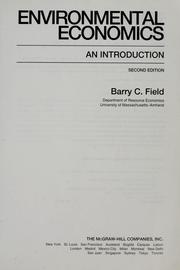 Environmental economicsBarry C. FieldA methodical, scholarly exploration of the intersection between economic development and environmental policy.
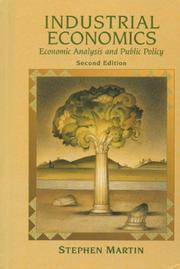 Industrial economicsMartin, StephenA rigorous, deeply researched exploration of industrial organization and economic policy.
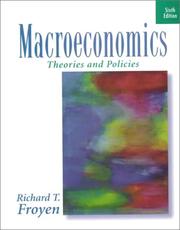 MacroeconomicsRichard T. FroyenA rigorous, historically grounded journey through the evolution of macroeconomic thought and the mechanics of global economies.
 Business ethicsManuel G. VelasquezA structured, thought-provoking exploration of the moral gray areas where commerce and human values collide.