Books › Utilitarianism

Utilitarianism
474 pages
A rigorous, foundational exploration of what it means to live a good life and build a just society based on the maximization of human happiness.
What it feels like
Reading this foundational text feels like sitting in a sunlit, wood-paneled lecture hall with a brilliant, earnest professor who genuinely believes in the perfectibility of human society. The prose is distinctly Victorian, measured, formal, and meticulously structured, yet it carries an undercurrent of passionate idealism. It asks you to slow down and weigh your own moral intuitions against a grand, sweeping calculus of human happiness. The atmosphere is deeply contemplative and intellectually rigorous, devoid of narrative but rich with ethical provocation. It is a steady, demanding read that rewards the patient thinker, delighting those who love to dismantle complex moral frameworks and wrestle with the timeless question of what we owe to one another in the pursuit of the greater good.
- Mood
- intellectual
- contemplative
- serious
- Tone
- analytical
- earnest
- persuasive
- reasoned
- Pace
- steady
- Themes
- the nature of happiness · moral duty · the greater good · ethical calculus · societal progress
- The writing
- Victorian and formal, featuring meticulously structured, logically rigorous sentences that occasionally swell with rhetorical idealism.
- The arc
- Moves from a defensive clarification of a misunderstood concept to a sweeping, idealistic vision of human potential and societal progress.
- Who it's for
- Readers who enjoy wrestling with foundational ethical frameworks and pondering the philosophical mechanics of a just society.
Content notes
- abstract discussions of suffering
- moral dilemmas
About the book
John Stuart Mill's Utilitarianism is one of the most important, controversial, and suggestive works of moral philosophy ever written. Mill defends the view that all human action should produce the greatest happiness overall, and that happiness itself is to be understood as consisting in 'higher' and 'lower' pleasures.
Description from Open Library.
Books like Utilitarianism
See why they match The Subjection of WomenJohn Stuart MillA methodical, impassioned dismantling of patriarchal logic that feels as urgent today as it did in the nineteenth century.
 On LibertyJohn Stuart MillA rigorous, impassioned defense of the individual mind against the crushing weight of societal conformity.
 A theory of justiceJohn RawlsA rigorous, monumental thought experiment that challenges you to rebuild society from scratch behind a veil of ignorance.
 JusticeMichael SandelA stimulating intellectual workout that transforms abstract philosophy into urgent, everyday moral questions.
 Groundwork of the metaphysics of moralsImmanuel KantAn intellectually demanding, awe-inspiring ascent into the absolute foundations of duty and human dignity.
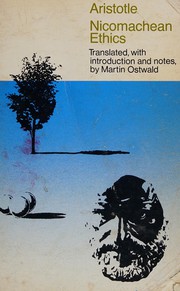 Nicomachean EthicsAristotleA rigorous, foundational blueprint for cultivating character, friendship, and a life of genuine human flourishing.