Books › We the living

We the living
570 pages
A fierce, tragic romance set against the crushing machinery of a totalitarian state, fueled by uncompromising philosophical defiance.
What it feels like
Reading this novel feels like standing in a freezing, desolate landscape while clutching a single, fiercely burning coal. The atmosphere is suffocating and bleak, steeped in the grim realities of a totalitarian regime, yet the narrative is driven by an intense, almost melodramatic passion. It is a heavy, philosophical experience that blends a tragic love triangle with a fiery political manifesto. The prose is stark and declarative, delivering sweeping ideological arguments with uncompromising earnestness. Readers who are drawn to stories of fierce individualism battling the crushing weight of conformity will be captivated by its steady, tense progression. It is an emotionally taxing, deeply serious journey that rewards those who appreciate historical fiction laced with unyielding philosophical conviction.
- Mood
- oppressive
- bleak
- tense
- grim
- rebellious
- Tone
- defiant
- polemical
- earnest
- passionate
- melodramatic
- Pace
- steady
- Themes
- individualism vs collectivism · survival under totalitarianism · ideological oppression · tragic romance · the cost of freedom
- The writing
- Stark, declarative, and highly rhetorical, favoring sweeping philosophical monologues and sharp, dramatic contrasts.
- The arc
- Moves from fierce, youthful defiance against a suffocating regime to a tragic, yet ideologically unyielding, conclusion.
- Who it's for
- Readers who crave politically charged historical fiction and passionate, uncompromising philosophical dramas about the struggle for individual freedom.
Content notes
- starvation
- political persecution
- suicide
- execution
- state oppression
About the book
This book is about a young woman named Kira Argounova who is trying to live during the Soviet takeover of Russia. Kira wants to be an engineer, but the lack of freedom in Soviet Russia oppresses her. She becomes involved in a love triangle with Comrade Taganov and the mysterious Leo. The book is a philosophical exposition of the crushing nature of the collectivist philosophy, which oppresses the producers.
“Can you sacrifice a few? When those few are the best? Deny the best its right to the top--and you have no best left. What are your masses but millions of dull, shriveled, stagnant souls that have no thoughts of their own, no dreams of their own, no will of their own, who eat and sleep and chew helplessly the words others put into their brains? And for those you would sacrifice the few who know life, who are life? I loathe your ideals because I know no worse injustice than the giving of the undeserved. Because men are not equal in ability and one can't trust them as if they were.”
Description from Open Library.
Books like We the living
See why they match AnthemAyn RandA stark, philosophical allegory about the spark of individual thought igniting in a world of enforced conformity.
 The FountainheadAyn RandA fiercely ideological and grandiose epic about the uncompromising will of the individual against the crushing weight of conformity.
 Red RisingPierce BrownA blood-soaked, adrenaline-fueled descent into a brutal academy where vengeance demands you become the monster you hate.
 The DispossessedÚrsula K. Le GuinA brilliant, quiet meditation on the walls we build between societies and the solitary courage required to tear them down.
 A people's tragedyOrlando FigesAn epic, devastating tapestry of a society tearing itself apart, woven from the intimate threads of the lives it crushed.
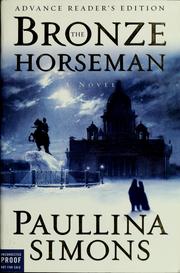 The bronze horsemanPaullina SimonsAn epic, emotionally devastating journey of forbidden love and desperate survival set against the freezing, starving backdrop of a besieged city.