Books › Weaving the Web
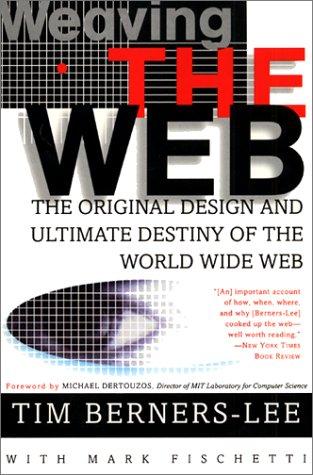
Weaving the Web
First published 1999 · 272 pages
A front-row seat to the quiet, idealistic birth of the digital age's most transformative invention.
What it feels like
Reading this feels like sitting down with a brilliant, unassuming architect as he unrolls the blueprints for a world-changing cathedral. The pace is steady and deliberate, guiding you through the intellectual and philosophical foundations of a hyper-connected world. It is steeped in a deeply earnest, hopeful mood, capturing a fleeting era of technological idealism where open access and human collaboration were prioritized over commercial enclosure. The prose is clear and pragmatic, stripping away dense jargon to reveal the profound simplicity of the original vision. It will delight tech historians, digital philosophers, and anyone who yearns for the early, utopian days of the internet, offering a reflective journey into the mind that quietly rewired human communication.
- Mood
- intellectual
- hopeful
- expansive
- contemplative
- Tone
- earnest
- visionary
- reflective
- pragmatic
- idealistic
- Pace
- steady
- Themes
- democratization of information · technological idealism · open access vs commercialization · genesis of global connectivity
- The writing
- Clear, accessible, and straightforward, prioritizing the explanation of complex ideas over literary flourish.
- The arc
- Moves from the quiet spark of a revolutionary idea to a sweeping, idealistic vision for a connected human future.
- Who it's for
- Tech historians, internet idealists, and anyone curious about the human philosophy behind the digital architecture we use every day.
About the book
"Tim Berners-Lee, the inventor of the World Wide Web, has been hailed by Time magazine as one of the 100 greatest minds of this century. His creation has already changed the way people do business, entertain themselves, exchange ideas, and socialize with one another."--BOOK JACKET.
"Berners-Lee offers insights to help readers understand the true nature of the Web, enabling them to use it to their fullest advantage. He shares his views on such critical issues as censorship, privacy, the increasing power of software companies in the online world, and the need to find the ideal balance between the commercial and social forces on the Web. His criticism of the Web's current state makes clear that there is still much work to be done.
Finally, Berners-Lee presents his own plan for the Web's future, one that calls for the active support and participation of programmers, computer manufacturers, and social organizations to make it happen."--BOOK JACKET.
Description from Open Library.
Books like Weaving the Web
See why they match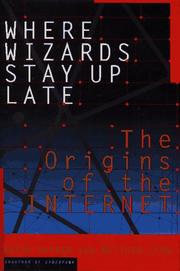 Where wizards stay up lateKatie HafnerA captivating, behind-the-scenes journey into the late-night labs where eccentric visionaries quietly wired the modern world together.
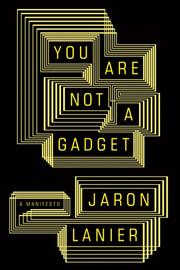 You are not a gadgetJaron LanierA passionate, eccentric plea to reclaim your humanity from the flattening algorithms of the modern web.
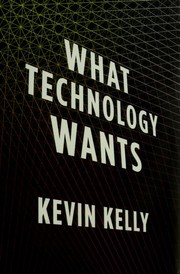 What technology wantsKevin KellyA sweeping, optimistic reframing of technology as a living, evolving force deeply intertwined with human destiny.
 Designing Web UsabilityJakob NielsenA foundational masterclass in stripping away digital friction to reveal the elegant logic of user-centric design.
 The Filter BubbleEli PariserAn eye-opening and slightly unsettling journey into the invisible algorithmic walls shaping our digital reality.
 The wealth of networksYochai BenklerA rigorous, visionary exploration of how digital collaboration is fundamentally rewiring human freedom and economic power.