Books › What It Is Like to Go to War

What It Is Like to Go to War
336 pages
A visceral, deeply philosophical descent into the psychological weight of combat and the arduous journey back to humanity.
What it feels like
Reading this book feels like sitting late into the night with a deeply scarred, incredibly wise mentor who is finally ready to tell you the unvarnished truth. The pace is steady and deliberate, anchoring sudden, visceral flashes of combat memory within long, thoughtful stretches of psychological and philosophical inquiry. It is a heavy, haunting experience, steeped in the somber reality of moral injury and the ghosts of past violence, yet it never wallows in despair. Instead, the prose is remarkably earnest and analytical, drawing on Jungian psychology and ancient myth to make sense of the unthinkable. It will profoundly resonate with readers who want to understand the true psychological cost of violence and the vital, often missing rituals required to bring a warrior's soul back home.
- Mood
- haunting
- contemplative
- heavy
- visceral
- Tone
- unflinching
- philosophical
- earnest
- reflective
- somber
- Pace
- steady
- Themes
- psychological cost of violence · moral injury · the necessity of ritual · warrior transition · duality of human nature
- The writing
- Direct and unvarnished, seamlessly blending the gritty realism of a soldier's memory with the erudition of a philosopher.
- The arc
- Moves from the chaotic, visceral trauma of combat into a deep, structured search for meaning, culminating in a hard-won, fragile peace.
- Who it's for
- Readers seeking a profound, unromanticized exploration of the psychological realities of combat and the moral burdens carried by veterans.
Content notes
- graphic violence
- war trauma
- PTSD
- death and dying
- moral injury
About the book
From the author of the Matterhorn, this is a powerful nonfiction book about the experience of combat and how inadequately we prepare our young men and women for war.
War is as old as humankind, but in the past, warriors were prepared for battle by ritual, religion and literature -- which also helped bring them home. In a compelling narrative, Marlantes weaves riveting accounts of his combat experiences with thoughtful analysis, self-examination and his readings -- from Homer to the Mahabharata to Jung. He talks frankly about how he is haunted by the face of the young North Vietnamese soldier he killed at close quarters and how he finally finds a way to make peace with his past. Marlantes discusses the daily contradictions that warriors face in the grind of war, where each battle requires them to take life or spare life, and where they enter a state he likens to the fervor of religious ecstasy.
Just as Matterhorn is already being acclaimed as a classic of war literature, What It Is Like To Go To War is set to become required reading for anyone -- soldier or civilian -- interested in this visceral and all too essential part of the human experience.
Description from Open Library.
Books like What It Is Like to Go to War
See why they match Achilles in VietnamJonathan ShayA sobering, deeply empathetic exploration of combat trauma that bridges ancient epic and modern psychological devastation.
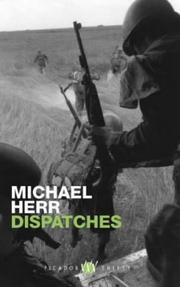 DispatchesMichael HerrA fever dream of combat that captures the terrifying, rock-and-roll insanity of war through electric, unforgettable prose.
 War Is a Force That Gives Us MeaningChris HedgesA haunting, erudite dismantling of the myths we tell ourselves about the glory of combat and the intoxicating poison of nationalism.
 TribeSebastian JungerA sharp, deeply empathetic exploration of why modern society leaves us feeling so isolated, and how crisis paradoxically restores our sense of shared humanity.
 We Were Soldiers Once... and YoungHarold G. Moore and Joseph L. GallowayA visceral, boots-on-the-ground plunge into the chaos of combat that honors the profound bonds forged in the crucible of war.
 Where Men Win GloryJon KrakauerA haunting and intricately researched exploration of idealism, duty, and the devastating cost of institutional deception.