Books › What the dog saw and other adventure stories
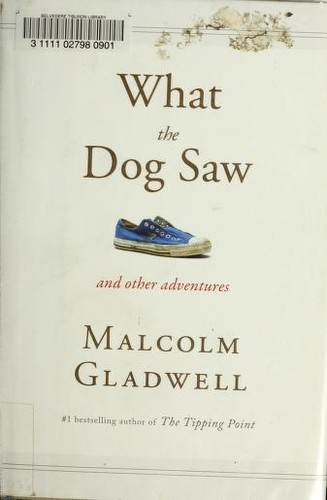
What the dog saw and other adventure stories
688 pages
An engaging, conversational dive into the hidden quirks of human behavior and the fascinating stories behind everyday things.
What it feels like
Reading this collection feels like sitting next to the world's most fascinating conversationalist at a dinner party. It is a brisk, intellectually stimulating journey that takes the mundane—ketchup, hair dye, rotisserie ovens—and spins it into profound revelations about human nature and society. The prose is crisp and narrative-driven, effortlessly translating complex sociological and psychological concepts into highly digestible, character-rich stories. You will find yourself constantly pausing to share a surprising anecdote or a counterintuitive fact with whoever happens to be in the room. It is the perfect read for the endlessly curious, offering a series of satisfying lightbulb moments that will leave you looking at the everyday world through a slightly tilted, much more observant lens.
- Mood
- intellectually stimulating
- curious
- illuminating
- upbeat
- Tone
- inquisitive
- conversational
- analytical
- wry
- engaging
- Pace
- brisk
- Themes
- hidden patterns · unconventional wisdom · human behavior · the extraordinary in the mundane · psychology of everyday life
- The writing
- Crisp, narrative-driven journalism that effortlessly weaves complex research into compelling, character-focused storytelling.
- The arc
- Begins with familiar, everyday curiosities and builds toward surprising, paradigm-shifting revelations.
- Who it's for
- Armchair sociologists and lifelong learners who love collecting fascinating anecdotes to share at dinner parties.
Content notes
- discussions of ethnic profiling
- mentions of systemic failure and disasters
About the book
What is the difference between choking and panicking? Why are there dozens of varieties of mustard-but only one variety of ketchup? What do football players teach us about how to hire teachers? What does hair dye tell us about the history of the 20th century? In the past decade, Malcolm Gladwell has written three books that have radically changed how we understand our world and ourselves: The Tipping Point; Blink; and Outliers. Now, in What the Dog Saw, he brings together, for the first time, the best of his writing from TheNew Yorker over the same period. Here is the bittersweet tale of the inventor of the birth control pill, and the dazzling inventions of the pasta sauce pioneer Howard Moscowitz. Gladwell sits with Ron Popeil, the king of the American kitchen, as he sells rotisserie ovens, and divines the secrets of Cesar Millan, the "dog whisperer" who can calm savage animals with the touch of his hand. He explores intelligence tests and ethnic profiling and "hindsight bias" and why it was that everyone in Silicon Valley once tripped over themselves to hire the same college graduate. "Good writing," Gladwell says in his preface, "does not succeed or fail on the strength of its ability to persuade. It succeeds or fails on the strength of its ability to engage you, to make you think, to give you a glimpse into someone else's head."What the Dog Saw is yet another example of the buoyant spirit and unflagging curiosity that have made Malcolm Gladwell our most brilliant investigator of the hidden extraordinary.
Description from Open Library.
Books like What the dog saw and other adventure stories
See why they match OutliersMalcolm GladwellAn engaging journey that dismantles the myth of the self-made genius to reveal the hidden forces behind extraordinary success.
 The Tipping PointMalcolm GladwellAn engaging, anecdote-fueled exploration of the hidden forces that cause ideas and behaviors to catch fire.
 The Power of HabitCharles DuhiggA fascinating, story-driven exploration of the invisible scripts that run our lives and how we can rewrite them.
 FreakonomicsSteven D. Levitt and Stephen J. DubnerA playful, data-driven dismantling of conventional wisdom that makes you question everything you thought you knew about how the world works.
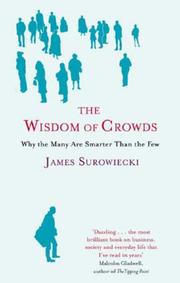 The Wisdom of Crowds:Why the Many Are Smarter Than the Few and How Collective Wisdom Shapes Business, Economies, Societies and NationsJames SurowieckiA paradigm-shifting exploration that makes you look at every crowd, committee, and market with a newfound sense of wonder and respect.
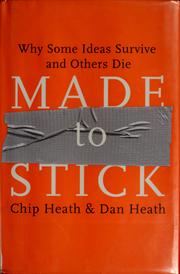 Made to stickChip Heath and Dan HeathA masterclass in communication that reads like a collection of fascinating campfire stories.