Books › Where do we go from here
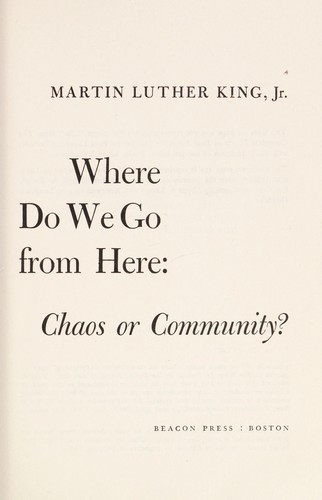
Where do we go from here
chaos or community?
First published 1967 · 242 pages
A contemplative and visionary exploration of civil rights and economic justice that balances acute analysis with a universal message of hope.
What it feels like
Written in the quiet isolation of a Jamaican retreat, this foundational text feels both deeply contemplative and urgently forward-looking. The reading experience is steady and analytical, grounding the reader in a sober assessment of American race relations and the civil rights movement after a decade of struggle. Yet, the atmosphere is never devoid of light; it is infused with a resolute, visionary hope. The prose carries the weight of a leader's final, carefully considered thoughts on economic equality, poverty, and community. It will deeply resonate with readers who seek to understand the historical roots of systemic inequality and those who are inspired by enduring, universal calls for a more just and sustainable future.
- Mood
- contemplative
- resolute
- forward-looking
- Tone
- earnest
- analytical
- urgent
- hopeful
- visionary
- Pace
- steady
- Themes
- economic equality · civil rights struggle · vision for the future · eradicating poverty · community building
- The writing
- Thoughtful, acute, and visionary, reflecting the deep contemplation of a leader in isolation.
- The arc
- Moves from a sober analysis of racial and economic struggles to a resolute, hopeful vision for a unified future.
- Who it's for
- Readers seeking foundational texts on civil rights, economic justice, and visionary leadership.
Content notes
- racism
- systemic inequality
- poverty
About the book
From the Publisher: In 1967, Dr. Martin Luther King, Jr., isolated himself from the demands of the civil rights movement, rented a house in Jamaica with no telephone, and labored over his final manuscript. In this important work, which has been unavailable for more than ten years, we find King's acute analysis of American race relations and the state of the movement after a decade of civil rights efforts. King lays out his thoughts, plans, and dreams for America's future, including the need for better jobs, higher wages, decent housing, and quality education. Today, as African American communities stand to lose more wealth than any other demographic during this economic crisis, King's call for economic equality and sustainability is especially pertinent. With a universal message of hope that continues to resonate, King demanded an end to global suffering, asserting that humankind-for the first time-has the resources and technology to eradicate poverty. Coretta Scott King (1927-2006), the wife of Martin Luther King, Jr., was an American author and human rights activist. She helped lead the civil rights movement after King's assassination, carrying the message of nonviolence and the dream of a beloved community to many countries, and spearheading coalitions and foundations. Civil rights activist Vincent Harding was a friend and colleague of King and worked with Coretta Scott King to establish the King Center in Atlanta, serving as its first director. A distinguished theologian and historian, he is the award-winning author of several books and lives in Denver, Colorado.
Originally published: 1968.
Includes bibliographical references and index.
Description from Open Library.
Books like Where do we go from here
See why they match Why We Can't WaitMartin Luther King Jr.A soaring, urgent masterclass in moral clarity and the undeniable demand for immediate justice.
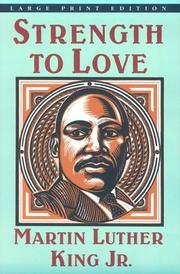 Strength to loveMartin Luther King Jr.A profound, rhythmic call to moral courage that challenges the soul to meet hatred with radical, transformative love.
 The fire next timeJames BaldwinA searing, intimate, and prophetic letter that demands a reckoning with America's racial soul.
 Martin Luther King, JrValerie SchloredtAn accessible, inspiring journey through the life and legacy of a leader who changed history through non-violent resistance.
 African-American thoughtManning Marable and Leith MullingsA sweeping, intellectually rigorous immersion into the diverse ideological currents that have shaped African-American history.
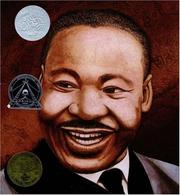 Martin's big wordsDoreen RappaportA visually and textually striking tapestry that distills a monumental life into accessible, resonant truths about the power of language.