Books › Why am I afraid to tell you who I am?

Why am I afraid to tell you who I am?
First published 1969 · 168 pages
A gentle, conversational mirror that invites you to drop your defenses and experience the quiet relief of being truly seen.
What it feels like
Reading this book feels like sitting down with a deeply compassionate mentor who sees right through your carefully constructed social armor and loves you anyway. The pace is steady and reflective, encouraging you to pause and examine the roles you play to avoid rejection. Its mood is profoundly introspective yet comforting, wrapping challenging psychological truths in a warm, conversational tone. The prose is simple and free of academic jargon, making complex ideas about defense mechanisms and vulnerability feel immediately applicable to daily life. It is a quietly transformative experience that moves from the anxiety of hiding to the liberating relief of authenticity. This is the perfect read for anyone exhausted by people-pleasing and yearning for the courage to build genuinely honest relationships.
- Mood
- introspective
- comforting
- hopeful
- quietly challenging
- Tone
- compassionate
- earnest
- conversational
- gentle
- insightful
- Pace
- steady
- Themes
- the courage of vulnerability · unmasking the true self · overcoming fear of rejection · authentic connection · psychological defense mechanisms
- The writing
- Simple, accessible, and conversational, using relatable anecdotes and clear frameworks without academic jargon.
- The arc
- Moves from the isolating anxiety of hiding behind social masks to the liberating relief of authentic self-acceptance.
- Who it's for
- Readers feeling disconnected in their relationships or exhausted by people-pleasing who want a gentle guide to authentic living.
Content notes
- fear of rejection
- emotional masking
- anxiety
About the book
John Powell applies his valuable insights into self-awareness and interpersonal communication to help us develop self-esteem and improve our relationships with others. We all fear rejection. We are afraid that people will not like us if they know what we are really like, so we often assume poses to avoid being honest with them and with ourselves. Powell identifies five levels of communication and suggests that the kinds of information we disclose determine the level of depth of our relationships. Who are you? Are you the “Know-it-all”? Are you a “body beautiful”? Are you “the clown,” “the competitor,” the cynic,” or one of the many other characters people portray to protect themselves? Only when we face our fears openly and honestly can we learn to like ourselves and trust that others will accept us as we really are.
Description from Open Library.
Books like Why am I afraid to tell you who I am?
See why they match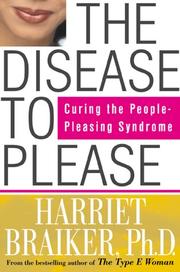 The Disease to PleaseHarriet BraikerA compassionate but firm intervention for anyone exhausted by the relentless pressure to keep everyone else happy.
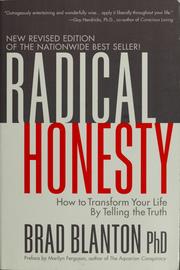 Radical honestyBrad BlantonA blunt, unapologetic wake-up call that challenges you to break out of your own mental prison through absolute truth-telling.
 Man's search for himselfRollo MayA compassionate, philosophical lantern in the dark for those feeling unmoored by the anxieties of modern life.
 ConfidenceBarbara De AngelisA warm, steady hand on your shoulder guiding you out of the shadows of self-doubt and into your own power.
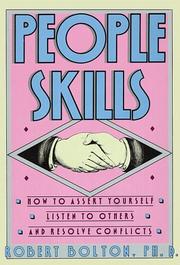 People skillsRobert BoltonA practical, empathetic toolkit for untangling the messy reality of human communication.
 Hold Me TightSue JohnsonA compassionate, science-backed roadmap for turning relationship conflict into profound emotional connection.