Books › Why I'm No Longer Talking to White People About Race

Why I'm No Longer Talking to White People About Race
288 pages
A searing, boundary-setting manifesto that transforms exhaustion into an urgent, illuminating dissection of structural inequality.
What it feels like
Reading this book feels like sitting down with a fiercely intelligent friend who has finally decided to stop softening the blow. The pace is brisk and urgent, driven by a righteous frustration that is both deeply personal and rigorously analytical. It immerses the reader in a heavy but galvanizing atmosphere, stripping away the comforting myths of post-racial society to expose the raw, structural realities beneath. The prose is sharp, accessible, and uncompromising, refusing to coddle its audience while meticulously laying out historical erasures and the exhausting emotional labor demanded of marginalized people. It is a profoundly necessary experience for anyone ready to confront systemic inequality without the filter of white fragility, offering a clear-eyed path toward genuine understanding and the vital importance of setting boundaries.
- Mood
- galvanizing
- heavy
- righteous
- reflective
- Tone
- urgent
- uncompromising
- analytical
- frustrated
- searing
- Pace
- brisk
- Themes
- systemic racism · historical erasure · white fragility · emotional labor · intersectionality
- The writing
- Sharp, accessible, and journalistic, seamlessly weaving rigorous historical research with deeply personal, lived experience.
- The arc
- Moves from a place of profound exhaustion and frustration to a clear-eyed, empowering stance on boundary-setting and structural awareness.
- Who it's for
- Readers seeking an unflinching, foundational exploration of structural inequality who appreciate boundaries and rigorous cultural critique.
Content notes
- systemic racism
- police brutality
- racial discrimination
- historical violence
About the book
In 2014, award-winning journalist Reni Eddo-Lodge wrote on her blog about her frustration with the way that discussions of race and racism in Britain were being led by those who weren't affected by it. Her words hit a nerve. The post went viral and comments flooded in from others desperate to speak up about their own experiences. Galvanised, she decided to dig into the source of these feelings. Exploring issues from eradicated black history to the inextricable link between class and race, Reni Eddo-Lodge has written a searing, illuminating, absolutely necessary examination of what it is to be a person of colour in Britain today --
Description from Open Library.
Books like Why I'm No Longer Talking to White People About Race
See why they match So you want to talk about raceIjeoma OluoA sharp, compassionate, and deeply practical guide that cuts through the noise to make complex conversations about systemic inequality feel possible.
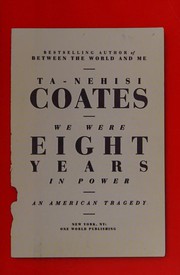 We Were Eight Years in PowerTa-Nehisi CoatesA fierce, lyrical reckoning with American history that bridges the personal and the political with devastating clarity.
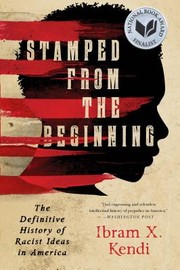 Stamped from the BeginningIbram X. KendiA monumental, paradigm-shifting journey through the intellectual history of American racism that demands a fundamental rewiring of how you view the present.
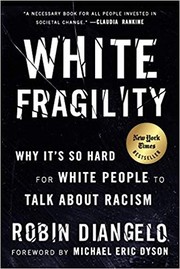 White FragilityDr. Robin DiAngeloA direct, challenging mirror held up to the defensive reflexes that uphold systemic inequality.
 Hood FeminismMikki KendallA fierce, necessary dismantling of mainstream feminism that demands we look at survival, not just privilege.
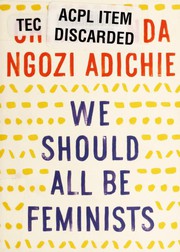 We Should All Be FeministsChimamanda Ngozi AdichieA warm, lucid, and deeply personal invitation to rethink the way we raise our children and view ourselves.