Books › Why We're Polarized

Why We're Polarized
336 pages
A clarifying, systemic lens that brings the chaotic and frustrating landscape of modern American politics into sharp, sobering focus.
What it feels like
Reading this book feels like putting on a pair of prescription glasses after years of squinting at a blurry, chaotic landscape. It replaces the exhausting outrage of the daily news cycle with a steady, methodical exploration of the psychological and institutional forces that shape our behavior. The mood is sobering but deeply clarifying, offering a sense of intellectual relief that comes from finally understanding the mechanics behind the madness. The prose is lucid and journalistic, guiding you through dense social science with ease and precision. It is an essential, intellectually stimulating experience for anyone who feels overwhelmed by modern political tribalism and wants to look past the symptoms to diagnose the underlying systemic disease.
- Mood
- sobering
- intellectually stimulating
- clarifying
- apprehensive
- Tone
- analytical
- thoughtful
- urgent
- objective
- explanatory
- Pace
- steady
- Themes
- psychological tribalism · systemic incentives · media feedback loops · identity politics · institutional dysfunction
- The writing
- Lucid, journalistic, and highly structured, expertly translating dense social science and psychological research into accessible, engaging arguments.
- The arc
- Moves from a feeling of overwhelming political bewilderment to a sobering, clear-eyed comprehension of the systems driving our divisions.
- Who it's for
- News consumers and political observers who are exhausted by partisan outrage and crave a deeper, systemic understanding of American political behavior.
Content notes
- political anxiety
- discussions of systemic racism
About the book
""America's political system isn't broken. The truth is scarier: it's working exactly as designed. In this book, journalist Ezra Klein reveals how that system is polarizing us -- and how we are polarizing it -- with disastrous results. "The American political system -- which includes everyone from voters to journalists to the president -- is full of rational actors making rational decisions given the incentives they face," writes political analyst Ezra Klein. "We are a collection of functional parts whose efforts combine into a dysfunctional whole." In Why We're Polarized, Klein reveals the structural and psychological forces behind America's descent into division and dysfunction. Neither a polemic nor a lament, this book offers a clear framework for understanding everything from Trump's rise to the Democratic Party's leftward shift to the politicization of everyday culture. America is polarized, first and foremost, by identity. Everyone engaged in American politics is engaged, at some level, in identity politics. Over the past fifty years in America, our partisan identities have merged with our racial, religious, geographic, ideological, and cultural identities. These merged identities have attained a weight that is breaking much in our politics and tearing at the bonds that hold this country together. Klein shows how and why American politics polarized around identity in the twentieth century, and what that polarization did to the way we see the world and one another. And he traces the feedback loops between polarized political identities and polarized political institutions that are driving our system toward crisis. This is a revelatory book that will change how you look at politics, and perhaps at yourself."--
America's political system isn't broken: it's working exactly as designed. But Klein reveals how that system is polarizing us-- and how we are polarizing it-- with disastrous results. In examining the structural and psychological forces behind America's descent into division and dysfunction, he shows that everyone engaged in American politics is engaged, at some level, in identity politics. Now our racial, religious, geographic, ideological, and cultural identities have attained a weight that is breaking much in our politics and tearing at the bonds that hold this country together. -- adapted from jacket
Description from Open Library.
Books like Why We're Polarized
See why they match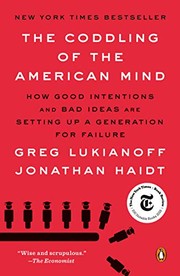 The Coddling of the American MindGreg Lukianoff and Jonathan HaidtAn urgent, analytical deep-dive into the cultural shifts reshaping childhood, campus life, and American discourse.
 Politics Is for PowerEitan HershA sobering but ultimately galvanizing wake-up call that challenges readers to trade performative online outrage for the slow, steady work of real community organizing.
 How Fascism WorksJason StanleyAn urgent, clarifying lens that snaps the chaotic rhetoric of modern politics into a chillingly recognizable historical pattern.
 The Tyranny of MeritMichael J. SandelA sobering but necessary dismantling of the idea that success is purely self-made, urging a return to the common good.
 The once and future liberalMark LillaA sharp, urgent polemic that challenges modern political strategies and advocates for a return to unifying civic solidarity.
 Strangers in their own landArlie Russell HochschildA compassionate, deeply human exploration of the emotional landscapes that drive our deepest divides.