Books › How Fascism Works
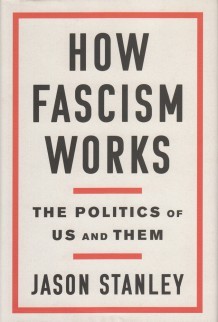
How Fascism Works
The Politics of Us and Them
256 pages
An urgent, clarifying lens that snaps the chaotic rhetoric of modern politics into a chillingly recognizable historical pattern.
What it feels like
Reading this book feels like putting on a pair of glasses that suddenly brings a blurry, chaotic landscape into terrifyingly sharp focus. The pace is brisk and urgent, driven by an earnest desire to warn and educate rather than simply academic curiosity. Stanley's prose is accessible but uncompromising, stripping away the jargon of political science to expose the raw, mechanical gears of division and propaganda. The mood is undeniably sobering, steeped in a foreboding sense of historical repetition, yet the experience of reading it is ultimately clarifying. It is a book for the politically anxious and the intellectually curious, offering a structured, analytical framework to those who feel overwhelmed by the daily news cycle and want to understand the deeper currents threatening democratic societies.
- Mood
- foreboding
- clarifying
- tense
- intellectual
- Tone
- urgent
- analytical
- sobering
- authoritative
- earnest
- Pace
- brisk
- Themes
- the fragility of democracy · the mechanics of division · the power of propaganda · historical echoes in the present · the weaponization of nostalgia
- The writing
- Clear, accessible, and sharply argued, translating complex philosophical and sociological concepts into urgent everyday language.
- The arc
- Moves from a sense of creeping dread as historical patterns are revealed to a sobering but empowering clarity about recognizing the signs.
- Who it's for
- Politically engaged readers seeking a structured, historical framework to understand contemporary democratic crises and the rhetoric of division.
Content notes
- political violence
- racism
- antisemitism
- xenophobia
- historical trauma
About the book
As the child of refugees of World War II Europe and a renowned philosopher and scholar of propaganda, Jason Stanley has a deep understanding of how democratic societies can be vulnerable to fascism: Nations don’t have to be fascist to suffer from fascist politics. In fact, fascism’s roots have been present in the United States for more than a century. Alarmed by the pervasive rise of fascist tactics both at home and around the globe, Stanley focuses here on the structures that unite them, laying out and analyzing the ten pillars of fascist politics—the language and beliefs that separate people into an “us” and a “them.” He knits together reflections on history, philosophy, sociology, and critical race theory with stories from contemporary Hungary, Poland, India, Myanmar, and the United States, among other nations. He makes clear the immense danger of underestimating the cumulative power of these tactics, which include exploiting a mythic version of a nation’s past; propaganda that twists the language of democratic ideals against themselves; anti-intellectualism directed against universities and experts; law and order politics predicated on the assumption that members of minority groups are criminals; and fierce attacks on labor groups and welfare. These mechanisms all build on one another, creating and reinforcing divisions and shaping a society
By uncovering disturbing patterns that are as prevalent today as ever, Stanley reveals that the stuff of politics—charged by rhetoric and myth—can quickly become policy and reality. Only by recognizing fascists politics, he argues, may we resist its most harmful effects and return to democratic ideals.
Description from Open Library.
Books like How Fascism Works
See why they match How Democracies DieSteven Levitsky and Daniel ZiblattA clear-eyed, historically grounded diagnosis of how political systems unravel from the inside out.
 The Road to UnfreedomTimothy SnyderA chilling, intellectually rigorous autopsy of modern democracy's vulnerabilities and the creeping shadow of authoritarianism.
 Why We're PolarizedEzra KleinA clarifying, systemic lens that brings the chaotic and frustrating landscape of modern American politics into sharp, sobering focus.
 The Origins of TotalitarianismHannah ArendtA chilling, intellectually monumental dissection of how societies surrender to absolute darkness.
 How to Be an AntiracistIbram X. KendiA deeply personal and intellectually rigorous invitation to unlearn systemic biases and actively build a more equitable world.
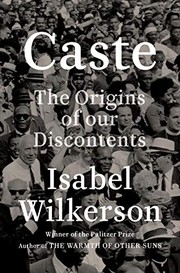 CasteIsabel WilkersonA paradigm-shifting lens that reframes everything you thought you knew about American history and the invisible architecture of power.