Books › Wuthering Heights
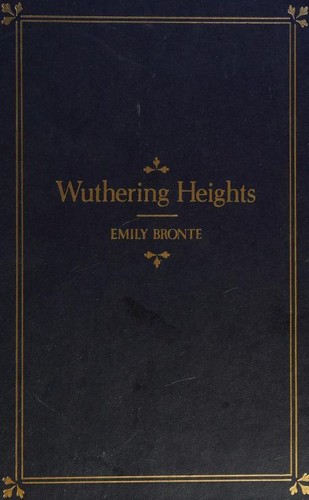
Wuthering Heights
First published 2000 · 724 pages
A tempestuous, unapologetically dark exploration of a love so obsessive it destroys everything it touches.
What it feels like
Reading this novel feels like standing on a wind-battered moor in the dead of night—exhilarating, freezing, and deeply unsettling. It is not a traditional romance, but rather a fierce, claustrophobic plunge into the anatomy of obsession. The narrative unfolds at a steady, deliberate pace, layered through the voices of outsiders who can only watch as a generational tragedy plays out. The prose is dense and fiercely poetic, mirroring the savage beauty of the Yorkshire landscape. It is a book that demands surrender to its bleak, brooding atmosphere and its deeply unlikable, yet utterly magnetic characters. This is perfect for readers who want their love stories laced with cruelty, revenge, and the haunting chill of a ghost at the window.
- Mood
- stormy
- bleak
- claustrophobic
- haunting
- brooding
- Tone
- passionate
- cynical
- intense
- unforgiving
- Pace
- steady
- Themes
- destructive love · revenge · generational trauma · obsession · nature vs civilization
- The writing
- Dense, atmospheric, and fiercely poetic, with a framing device that layers the narrative in subjective, sometimes unreliable voices.
- The arc
- A descent into obsessive, destructive passion that spans generations before finally settling into a quiet, hard-won peace.
- Who it's for
- Readers who crave intense, unapologetically dark stories where the characters are deeply flawed and the landscape mirrors their psychological turmoil.
Content notes
- animal cruelty
- domestic abuse
- emotional abuse
- child neglect
- grief
About the book
Wuthering Heights is an 1847 novel by Emily Brontë, initially published under the pseudonym Ellis Bell. It concerns two families of the landed gentry living on the West Yorkshire moors, the Earnshaws and the Lintons, and their turbulent relationships with Earnshaw's adopted son, Heathcliff. The novel was influenced by Romanticism and Gothic fiction.
Description from Open Library.
Books like Wuthering Heights
See why they match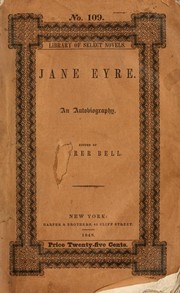 Jane EyreCharlotte BrontëA brooding, gothic masterclass in quiet defiance and the fierce demand to be loved as an equal.
 ShirleyCharlotte BrontëA sweeping Victorian tapestry that weaves the fires of industrial rebellion with the quiet, burning intensity of female independence and slow-burn romance.
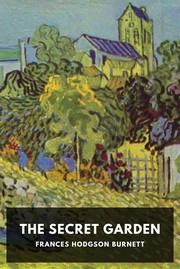 The Secret GardenFrances Hodgson BurnettA quiet, earthy journey of neglected things, both human and botanical, slowly coaxed back to vibrant life.
 Agnes GreyAnne BrontëA quiet, clear-eyed portrait of endurance and moral integrity in the face of high-society cruelty.
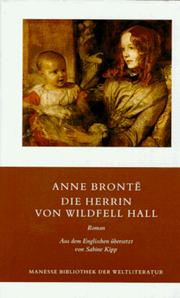 The Tenant of Wildfell HallAnne BrontëA fiercely feminist Victorian masterpiece that strips the romantic veneer off a toxic marriage to reveal the harrowing reality beneath.
 Tess of the d'UrbervillesThomas HardyA lush, devastating portrait of a woman crushed by the relentless machinery of fate and social hypocrisy.