Books › You can't be neutral on a moving train

You can't be neutral on a moving train
a personal history of our times
232 pages
A warm, galvanizing memoir that invites you to sit at the feet of a master teacher and learn how to keep fighting for a better world.
What it feels like
Reading this memoir feels like sitting down for a long, impassioned conversation with a beloved, radical mentor. The pace is steady and reflective, moving seamlessly between intimate personal memories and sweeping moments of American social history. Zinn's prose is remarkably accessible and warm, stripped of academic jargon and infused with a deep, abiding love for humanity. The mood is both urgent and profoundly hopeful, acknowledging the brutal realities of war, racism, and state violence while steadfastly refusing to give in to despair. It is a galvanizing experience, designed to awaken the reader's moral conscience. This book will deeply resonate with activists, history buffs, and anyone seeking a reminder that ordinary people have the power to bend the arc of history.
- Mood
- inspiring
- reflective
- urgent
- galvanizing
- Tone
- earnest
- passionate
- conversational
- moral
- hopeful
- Pace
- steady
- Themes
- the moral imperative of action · power of grassroots movements · finding hope in dark times · intersection of personal and political · anti-war resistance
- The writing
- Accessible, warm, and deeply personal, blending the rigor of a historian with the engaging storytelling of a beloved teacher.
- The arc
- Moves from the sobering realities of war and systemic injustice to a profound, hard-won sense of enduring hope and the necessity of collective action.
- Who it's for
- Readers seeking moral clarity and inspiration from a life dedicated to activism, social justice, and the belief that ordinary people can change history.
Content notes
- war and military violence
- systemic racism
- police brutality
- imprisonment
About the book
Acclaimed historian Howard Zinn has been at the center of the most important historical moments of the last thirty years, during which he has been admired both as a writer and as an important political and moral voice.
Author of the epic A People's History of the United States, Zinn here applies his historian's skills to the remarkable life he himself has led. In this inspiring, personal book - which works both as memoir and as popular history of an era - Zinn brings to life more than thirty years of American social history by telling the stories behind a politically engaged life.
Zinn grew up in the immigrant slums of Brooklyn and flew as a bombardier in World War II, and he writes about the ways both experiences helped shape a radical impulse, an opposition to war, and a passion for history. He writes about his first teaching job at Spelman College, where he worked with young civil rights activists including Alice Walker and Marian Wright Edelman.
He paints vivid, portraits of key moments and people throughout the South in the early 1960s, where he was a chronicler and active ally of the civil rights movement. He talks about his days as a leading antiwar protester, going to Vietnam with Daniel Berrigan and testifying in his friend Daniel Ellsberg's Pentagon Papers trial. He recalls imprisonments for civil disobedience, fights for open debate in universities, his love of teaching.
Running throughout this personal book is Zinn's charming, generous, engaged voice, as well as a message about history. You Can't Be Neutral on a Moving Train is Zinn's argument for hope - the stories of the people and events that inspire his faith in the possibility of historic change.
Description from Open Library.
Books like You can't be neutral on a moving train
See why they match A People's History of the United StatesHoward ZinnA paradigm-shifting journey through American history that amplifies the voices of the oppressed and challenges everything you were taught in school.
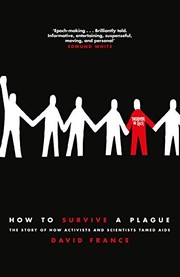 How to Survive a PlagueDavid FranceAn urgent, intimately reported chronicle of the fierce defiance and grassroots science that fought back against a devastating epidemic.
 How to Be an AntiracistIbram X. KendiA deeply personal and intellectually rigorous invitation to unlearn systemic biases and actively build a more equitable world.
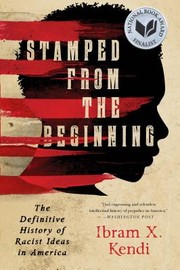 Stamped from the BeginningIbram X. KendiA monumental, paradigm-shifting journey through the intellectual history of American racism that demands a fundamental rewiring of how you view the present.
 On AnarchismNoam ChomskyA sharp, accessible, and surprisingly optimistic exploration of anti-authoritarian thought that challenges readers to rethink the structures of power.
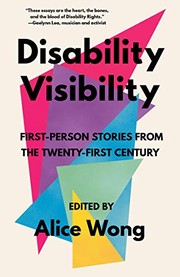 Disability VisibilityAlice WongAn urgent, kaleidoscopic chorus of voices that redefines what it means to live, thrive, and fight in a world built for the able-bodied.