Books › Zur Genealogie der Moral

Zur Genealogie der Moral
367 pages
A blistering, psychological teardown of everything society has taught you to consider good and evil.
What it feels like
Reading this book feels like standing in the center of an intellectual thunderstorm. It is a blistering, confrontational experience that aggressively dismantles the comforting illusions of modern morality. The prose is fiery and relentless, pulling you through a dark, psychological history of human cruelty, guilt, and resentment. Instead of dry academic theory, you are met with a passionate, sarcastic, and deeply unsettling voice that demands you question the very foundations of your values. The mood is intensely disquieting yet undeniably exhilarating, offering a dizzying sense of liberation for those willing to endure the critique. It will delight intellectual thrill-seekers, skeptics, and anyone who loves the sensation of having their worldview radically and unapologetically turned upside down.
- Mood
- disquieting
- intense
- confrontational
- stormy
- Tone
- scathing
- provocative
- ironic
- polemical
- urgent
- Pace
- brisk
- Themes
- the psychology of resentment · origins of guilt · the cruelty of morality · deconstruction of truth · will to power
- The writing
- Fiery, aphoristic, and highly rhetorical, dripping with sarcasm, exclamation points, and piercing psychological insight.
- The arc
- Begins with a disorienting shock to one's moral foundations and builds into a dizzying, exhilarating challenge to forge new values.
- Who it's for
- Intellectual thrill-seekers and philosophy enthusiasts who love having their deepest assumptions aggressively dismantled.
Content notes
- discussions of cruelty
- psychological violence
- historical prejudice
About the book
On the Genealogy of Morals (1887) is a book about the history of ethics and about interpretation. Nietzsche rewrites the former as a history of cruelty, exposing the central values of the Judaeo-Christian and liberal traditions - compassion, equality, justice - as the product of a brutal process of conditioning designed to domesticate the animal vitality of earlier cultures. The result is a book which raises profoundly disquieting issues about the violence of both ethics and interpretation.
Nietzsche questions moral certainties by showing that religion and science have no claim to absolute truth, before turning on his own arguments in order to call their very presuppositions into question. The Genealogy is the most sustained of Nietzsche's later works and offers one of the fullest expressions of his characteristic concerns. This edition places his ideas within the cultural context of his own time and stresses the relevance of his work for a contemporary audience.
Description from Open Library.
Books like Zur Genealogie der Moral
See why they match Jenseits von Gut und BöseFriedrich Wilhelm NietzscheA fiery, aphoristic demolition of traditional morality that challenges you to forge your own values in the ruins of absolute truth.
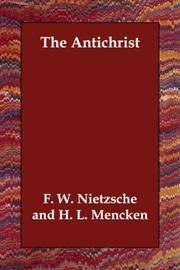 Der AntichristFriedrich NietzscheA blistering, unapologetic philosophical hammer taken to the foundations of Western morality.
 Twilight of the Idols and The AntichristFriedrich Wilhelm NietzscheA blistering, hammer-swinging assault on everything you thought was sacred, true, or good.
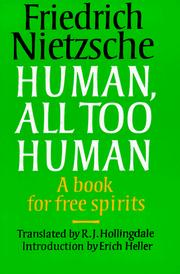 Menschliches, AllzumenschlichesFriedrich NietzscheA bracing plunge into the cold bath of reason, stripping away the comforting illusions of morality and metaphysics.
 Also sprach ZarathustraFriedrich NietzcheA thunderous, poetic descent from the mountaintop to deliver a radical gospel of self-creation and existential joy.
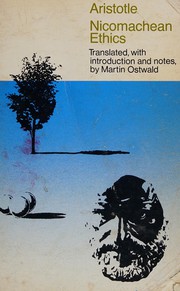 Nicomachean EthicsAristotleA rigorous, foundational blueprint for cultivating character, friendship, and a life of genuine human flourishing.