Books › A Clockwork Orange

A Clockwork Orange
First published 1972 · 452 pages
A linguistically dazzling, hyper-violent descent into a dystopian nightmare that forces you to question the price of free will.
What it feels like
Reading this novel is a disorienting, visceral experience that plunges you headfirst into a chaotic, near-future dystopia. The most striking element is the prose itself—a rhythmic, Russian-infused slang that initially alienates but quickly hypnotizes, forcing you to become complicit in the narrator's twisted worldview. The atmosphere is suffocating and dread-soaked, balancing pitch-black satire with moments of shocking, unapologetic brutality. As the narrative shifts from unbridled youth rebellion to chilling state-sanctioned psychological torture, the emotional texture morphs from chaotic exhilaration to profound helplessness. It is a brisk, challenging read designed for those who love linguistically inventive fiction and are willing to grapple with uncomfortable questions about free will, state control, and the inherent darkness of human nature.
- Mood
- unsettling
- claustrophobic
- chaotic
- dread-soaked
- Tone
- satirical
- cynical
- unapologetic
- darkly comedic
- Pace
- brisk
- Themes
- free will and determinism · state control · the nature of evil · youth rebellion · loss of autonomy
- The writing
- Highly inventive and rhythmic, the narrative is delivered in a unique Russian-infused slang that forces the reader into the protagonist's alienating worldview.
- The arc
- The journey shifts from visceral, chaotic exhilaration to helpless victimization, ultimately settling into a weary, cynical resignation.
- Who it's for
- Readers who appreciate challenging, linguistically inventive fiction and aren't afraid of confronting the darkest aspects of human nature.
Content notes
- graphic violence
- sexual assault
- psychological torture
- police brutality
About the book
A Clockwork Orange is a dystopian satirical black comedy novel by English writer Anthony Burgess, published in 1962. It is set in a near-future society that has a youth subculture of extreme violence. The teenage protagonist, Alex, narrates his violent exploits and his experiences with state authorities intent on reforming him. The book is partially written in a Russian-influenced argot called "Nadsat", which takes its name from the Russian suffix that is equivalent to '-teen' in English. According to Burgess, it was a jeu d'esprit written in just three weeks.
In 2005, A Clockwork Orange was included on Time magazine's list of the 100 best English-language novels written since 1923, and it was named by Modern Library and its readers as one of the 100 best English-language novels of the 20th century. The original manuscript of the book has been kept at McMaster University's William Ready Division of Archives and Research Collections in Hamilton, Ontario, Canada since the institution purchased the documents in 1971. It is considered one of the most influential dystopian books.
Description from Open Library.
Books like A Clockwork Orange
See why they match Nineteen Eighty-FourGeorge OrwellA claustrophobic descent into a world where even your own mind is no longer a safe haven.
 One Flew Over the Cuckoo's NestKen KeseyA hallucinatory, darkly comic rebellion against the crushing weight of conformity that leaves you both devastated and fiercely awake.
 Brave New WorldAldous HuxleyA chillingly sterile descent into a perfectly engineered society where happiness is mandatory and humanity is obsolete.
 The Handmaid's TaleMargaret AtwoodA chilling, intimate descent into an oppressive reality, told through the quiet whispers of a woman fighting to remember her own name.
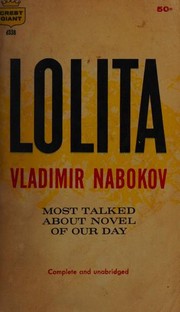 LolitaVladimir Vladimirovich NabokovA masterclass in unreliable narration where breathtakingly beautiful prose is weaponized to disguise a deeply unsettling nightmare.
 Naked LunchWilliam S. BurroughsA hallucinatory, fragmented descent into the grotesque underbelly of addiction and societal control.