Books › A History of Warfare

A History of Warfare
487 pages
A sweeping, deeply philosophical exploration of how culture, rather than mere politics, has shaped human conflict across the millennia.
What it feels like
Reading this book feels like sitting in a grand, quiet library with a master historian who is slowly dismantling everything you thought you knew about human conflict. The pace is steady and deliberate, asking you to pause and reflect as it sweeps from the stone age to the modern era. It carries a somber, deeply intellectual mood, trading the rapid-fire recounting of battles for a profound, anthropological meditation on why we fight. The prose is elegant and authoritative, weaving together logistics, geography, and human psychology into a seamless tapestry. It will thoroughly delight history enthusiasts and philosophical thinkers who prefer to explore the deep, cultural roots of violence rather than just the tactical maneuvers of the battlefield.
- Mood
- contemplative
- somber
- intellectual
- sweeping
- Tone
- authoritative
- analytical
- philosophical
- reflective
- Pace
- steady
- Themes
- cultural roots of violence · evolution of human conflict · limits of rationality · anthropology of combat
- The writing
- Elegant and erudite, the writing balances grand historical synthesis with sharp, accessible anthropological insights.
- The arc
- The reader journeys from a sweeping curiosity about ancient human origins to a sobering, profound reckoning with the enduring nature of human violence.
- Who it's for
- Readers who crave deep, philosophical explorations of history and want to understand the cultural forces that drive humanity to conflict.
Content notes
- historical violence
- descriptions of warfare
- death and casualties
About the book
In A History of Warfare, Keegan outlines the development and limitations of warfare from prehistory to the modern era. It looks at various topics, including the use of horses, logistics, and "fire". One key concept put forward is that war is inherently cultural. In the introduction, he rigorously denounces the idiom "war is a continuation of policy by other means", rejecting on its face "Clausewitzian" ideas
Description from Open Library.
Books like A History of Warfare
See why they match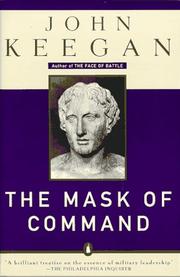 The mask of commandJohn KeeganA sweeping, intellectual exploration of how the theater of leadership shifts from the front lines of antiquity to the bunkers of the nuclear age.
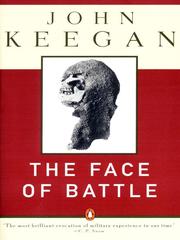 The Face of BattleJohn KeeganA sobering, ground-level immersion into the terrifying physical and psychological realities of historical combat.
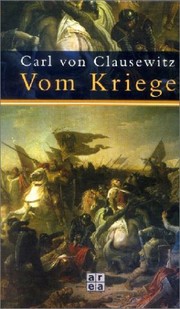 Vom KriegeCarl von ClausewitzA dense, philosophical masterclass in the brutal calculus of human conflict and political ambition.
 Supplying WarMartin van CreveldA lively, pragmatic deep-dive into the unglamorous but vital mechanics of movement and supply that truly decide the fate of empires.
 Carnage and cultureVictor Davis HansonA sweeping, accessible synthesis of 2,500 years of military history that examines the cultural roots of Western lethality.
 War! What is it good for?Ian MorrisA sweeping, provocative exploration of how humanity's most destructive impulse paradoxically paved the way for modern peace and prosperity.