Books › Carnage and culture

Carnage and culture
landmark battles in the rise of Western power
506 pages
A sweeping, accessible synthesis of 2,500 years of military history that examines the cultural roots of Western lethality.
What it feels like
Reading this book feels like attending a masterclass in military history designed specifically for the curious general reader. The pace is steady and deliberate, guiding you through 2,500 years of conflict without getting bogged down in dense academic minutiae. The tone is authoritative and analytical, creating a serious, contemplative mood as it explores the stark realities of warfare and the cultural fault lines between East and West. The prose is accessible yet grounded in scholarly rigor, synthesizing vast historical trends into clear, digestible insights about the unique lethality of Western military traditions. It is an intellectually stimulating experience that will deeply satisfy history enthusiasts looking to understand the broader cultural forces that have shaped centuries of landmark battles and global power dynamics.
- Mood
- serious
- contemplative
- historical
- Tone
- analytical
- authoritative
- direct
- scholarly
- Pace
- steady
- Themes
- the nature of warfare · cultural lethality · Western military power · historical synthesis · clash of traditions
- The writing
- Accessible yet authoritative, synthesizing vast historical timelines into clear, generalized trends without bogging down the general reader in academic minutiae.
- The arc
- A sweeping intellectual journey that moves from curiosity about historical conflicts to a sobering understanding of the enduring lethality of Western military traditions.
- Who it's for
- History enthusiasts and general readers fascinated by military strategy, the evolution of warfare, and the cultural underpinnings of Western power.
Content notes
- discussions of war
- military violence
- lethality and combat
About the book
I have deliberately concentrated on those West-East fault lines that emphasize the singular lethality of Western culture at war in comparison to other traditions that grew up in Asia, Africa, and the Americas. These valid generalizations should not imply that at times there were not real differences among particular European states themselves or that Western and non-Western cultures were either monolithic or always at odds with each other. And while I discuss larger issues of government, religion, and economy, my primary aim is to explain Western military power, not the general nature and evolution of Western civilization at large.
This is not a book, then, written for academic specialists. Instead, I have tried to offer a synthesis of Western society at war for the general reader across some 2,500 years of history that concentrates on general trends, rather than an original work of primary research within a defined historical period. I have used formal scholarly citations in parentheses in the text only for the longer direct quotations—although detailed information concerning factual material is derived from primary sources and secondary books and articles discussed at the conclusion of the book.
Description from Open Library.
Books like Carnage and culture
See why they match Why the West Rules - For NowIan MorrisA sweeping, God's-eye view of human history that turns millennia of data into a gripping puzzle about geography, power, and our collective future.
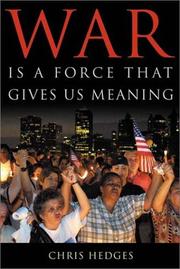 War Is a Force That Gives Us MeaningChris HedgesA haunting, erudite dismantling of the myths we tell ourselves about the glory of combat and the intoxicating poison of nationalism.
 War! What is it good for?Ian MorrisA sweeping, provocative exploration of how humanity's most destructive impulse paradoxically paved the way for modern peace and prosperity.
 The Clash of Civilizations and the Remaking of World OrderSamuel P. HuntingtonA sweeping, provocative framework that reshapes how you view the fault lines of global conflict.
 Western CivilizationsJoshua Cole and Carol SymesA sweeping, structured exploration of the historical and cultural forces that shaped the Western world.
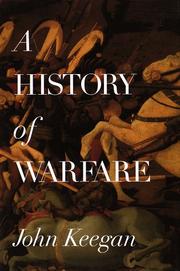 A History of WarfareJohn KeeganA sweeping, deeply philosophical exploration of how culture, rather than mere politics, has shaped human conflict across the millennia.