Books › War! What is it good for?

War! What is it good for?
conflict and the progress of civilization from primates to robots
512 pages
A sweeping, provocative exploration of how humanity's most destructive impulse paradoxically paved the way for modern peace and prosperity.
What it feels like
Reading this book feels like stepping back to view the entire tapestry of human history through a highly provocative, analytical lens. The narrative maintains a steady, expansive pace as it sweeps from our primate ancestors to a high-tech future, weaving scientific methods with fascinating historical stories. The mood is intellectually stimulating yet deeply sobering, asking the reader to sit with the uncomfortable paradox that humanity's greatest evil—warfare—has historically forged our safest, wealthiest societies. The prose is interdisciplinary and engaging, balancing grim realities with big-picture anthropological theories. It is a perfect fit for readers who devour counterintuitive historical arguments and want to grapple with the existential, cautionary questions about the future of human civilization.
- Mood
- intellectually stimulating
- sobering
- expansive
- Tone
- analytical
- provocative
- cautionary
- sweeping
- Pace
- steady
- Themes
- the paradox of progress · the cost of civilization · human violence · the evolution of society · existential risk
- The writing
- Interdisciplinary and engaging, weaving broad scientific methods with fascinating historical narratives.
- The arc
- Moves from a sobering acknowledgment of human atrocities to a provocative realization of historical paradoxes, ending on a cautionary note about our collective future.
- Who it's for
- Readers who enjoy sweeping, counterintuitive historical narratives and big-picture anthropological theories about human civilization.
Content notes
- warfare
- mass death
- atrocities
- violence
About the book
War is one of the greatest human evils. It has ruined livelihoods, provoked unspeakable atrocities and left countless millions dead. It has caused economic chaos and widespread deprivation. And the misery it causes poisons foreign policy for future generations...But, argues bestselling historian Ian Morris, in the very long term, war has in fact been a good thing. In his trademark style combining inter-disciplinary insights, scientific methods and fascinating stories, Morris shows that, paradoxically, war is the only human invention that has allowed us to construct peaceful societies. Without war, we would never have built the huge nation-states which now keep us relatively safe from random acts of violence, and which have given us previously unimaginable wealth. It is thanks to war that we live longer and more comfortable lives than ever before...And yet, if we continue waging war with ever-more deadly weaponry, we will destroy everything we have achieved; so our struggles to manage warfare make the coming decades the most decisive in the history of our civilisation. In War: What Is It Good For? Morris brilliantly dissects humanity's history of warfare to draw startling conclusions about our future.
Description from Open Library.
Books like War! What is it good for?
See why they match Why the West Rules - For NowIan MorrisA sweeping, God's-eye view of human history that turns millennia of data into a gripping puzzle about geography, power, and our collective future.
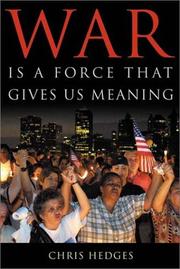 War Is a Force That Gives Us MeaningChris HedgesA haunting, erudite dismantling of the myths we tell ourselves about the glory of combat and the intoxicating poison of nationalism.
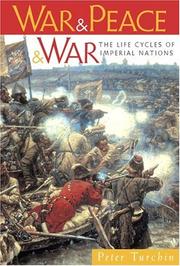 War and Peace and WarPeter TurchinA sweeping, interdisciplinary exploration of the cyclical forces that build and destroy human empires.
 Against the GrainJames C. ScottA paradigm-shifting journey into deep history that completely upends the comforting myth of human progress.
 The causes of warGeoffrey BlaineyA methodical, big-picture exploration of the historical patterns that drive humanity to armed conflict.
 The pursuit of powerWilliam H. McNeillA sweeping, sobering journey through a millennium of human conflict, tracing how markets and technology forged the modern military-industrial complex.