Books › A Treatise Concerning the Principles of Human Knowledge

A Treatise Concerning the Principles of Human Knowledge
424 pages
A cerebral exploration that dismantles the physical world, leaving only the mind and its ideas in its wake.
What it feels like
Reading this foundational philosophical text feels like stepping into a rigorous, cerebral debate about the very fabric of reality. The pace is steady and deliberate, demanding the reader's full intellectual engagement as it systematically dismantles the concept of a physical world existing outside the mind. The mood is deeply contemplative, anchored by formal, analytical prose that reflects the mature thought of its era. Through essays and historical correspondence, the text builds a persuasive case for immaterialism, inviting a profound shift in perspective. It is an experience tailored for readers who delight in classic epistemology and the radical, foundational ideas that shaped the Western philosophical tradition, offering a pure, unadulterated dive into the mechanics of human knowledge and perception.
- Mood
- contemplative
- cerebral
- inquisitive
- Tone
- intellectual
- analytical
- persuasive
- philosophical
- Pace
- steady
- Themes
- the nature of reality · immaterialism · the mind's perception · idealism · epistemology
- The writing
- Formal, structured, and rigorously analytical, reflecting the mature thought of an eighteenth-century philosopher.
- The arc
- A journey from questioning the physical world to embracing a reality constructed entirely of ideas.
- Who it's for
- Readers fascinated by foundational philosophical texts, epistemology, and the radical questioning of physical reality.
About the book
In this exceptional work, Berkeley makes the striking claim that physical things consist of nothing but ideas and therefore do not exist outside the mind. This claim establishes him as the founder of the idealist tradition in philosophy. The text printed in the volume is the 1734 edition of the Principles, which represents Berkeley's mature thought. Also included are four important letters between George Berkeley and Samuel Johnson, written between 1799 and 1730. This edition of Berkeley's most famous work provides readers with a thorough introduction to the central ideas of tone of the world's greatest philosophers.
Description from Open Library.
Books like A Treatise Concerning the Principles of Human Knowledge
See why they match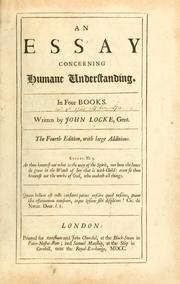 Essay concerning human understandingJohn LockeA rigorous, methodical excavation of the human mind that asks how we come to know anything at all.
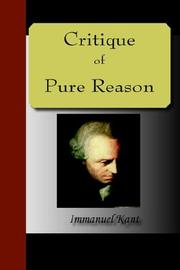 Kritik der reinen VernunftImmanuel KantA rigorous, foundational awakening from dogmatic slumber into the deep mechanics of human knowledge.
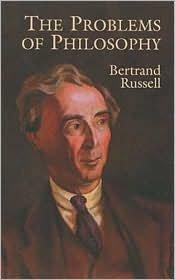 The Problems of PhilosophyBertrand RussellA crisp, mind-expanding journey that dismantles your everyday assumptions and rebuilds your understanding of reality from the ground up.
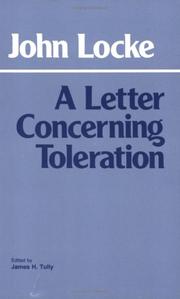 A Letter Concerning TolerationJohn LockeA foundational, methodical plea for the separation of church and state that champions the freedom of individual conscience.
 The great conversationNorman MelchertAn invitation to pull up a chair and listen to the greatest minds in history argue, agree, and build upon each other's ideas.
 Tractatus logico-philosophicusLudwig WittgensteinA crystalline, numbered descent into the absolute limits of what can be thought and spoken.