Books › A Letter Concerning Toleration

A Letter Concerning Toleration
509 pages
A foundational, methodical plea for the separation of church and state that champions the freedom of individual conscience.
What it feels like
Reading this foundational text feels like sitting in on a masterclass in Enlightenment logic. The pace is steady and deliberate, asking the reader to follow a carefully constructed chain of reasoning rather than sweeping them up in narrative momentum. The mood is deeply intellectual and principled, anchored by an earnest desire for civil peace in a fractured world. The prose is formal and rhetorical, bearing the distinct cadence of seventeenth-century philosophical discourse, yet its core arguments remain strikingly accessible. It is a deeply satisfying read for those who enjoy methodical persuasion and the dismantling of authoritarian logic. This treatise will delight students of political science, history enthusiasts, and anyone fascinated by the philosophical bedrock of modern religious freedom and civil liberty.
- Mood
- intellectual
- contemplative
- serious
- principled
- Tone
- rational
- persuasive
- measured
- earnest
- didactic
- Pace
- steady
- Themes
- freedom of conscience · separation of church and state · the limits of authority · civic duty vs spiritual duty · religious pluralism
- The writing
- Formal, methodical, and rhetorical, characterized by seventeenth-century syntax and careful, step-by-step logical progression.
- The arc
- Moves from an urgent plea for civil peace to a rigorous, satisfying dismantling of the logic behind religious coercion.
- Who it's for
- Students of political philosophy and history buffs who enjoy tracing the Enlightenment roots of modern civil liberties.
Content notes
- historical religious persecution
About the book
A Letter Concerning Toleration by John Locke was originally published in 1689. Its initial publication was in Latin, and it was immediately translated into other languages. Locke's work appeared amidst a fear that Catholicism might be taking over England, and responds to the problem of religion and government by proposing religious toleration as the answer. This "letter" is addressed to an anonymous "Honored Sir": this was actually Locke's close friend Philipp van Limborch, who published it without Locke's knowledge.
Description from Open Library.
Books like A Letter Concerning Toleration
See why they match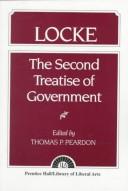 Essay concerning the true original extent and end of civil governmentJohn LockeA methodical, foundational exploration of human rights and the social contract that shaped the modern democratic world.
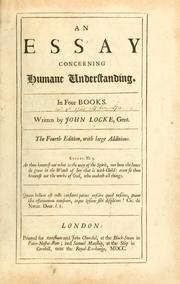 Essay concerning human understandingJohn LockeA rigorous, methodical excavation of the human mind that asks how we come to know anything at all.
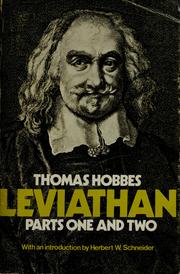 LeviathanThomas HobbsA foundational, uncompromising descent into the brutal reality of human nature and the monumental structures we build to survive it.
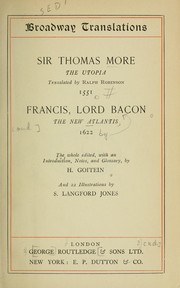 UtopiaSir Thomas More (Saint)A foundational thought experiment that invites you to wander the streets of an impossibly rational, deeply ambiguous society.
 The Age of ReasonThomas PaineA fiery, unapologetic dismantling of religious dogma fueled by the unyielding light of human reason.
 Rights of ManThomas PaineA fiery, foundational defense of human dignity that dismantles the divine right of kings with sharp, accessible rhetoric.