Books › Beautiful Evidence
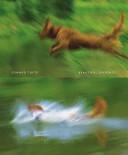
Beautiful Evidence
First published 2006 · 213 pages
A visually stunning masterclass that transforms the dry mechanics of data into a gallery of intellectual elegance.
What it feels like
Reading this book feels less like studying a textbook and more like walking through a meticulously curated museum exhibition alongside the world's most exacting and passionate curator. The pace is inherently leisurely; you are meant to linger over the exquisite layouts, tracing the historical maps and modern sparklines with your eyes while absorbing the crisp, aphoristic prose. It immerses you in an atmosphere of profound intellectual clarity, where the noise of bad design is stripped away to reveal the pure, aesthetic beauty of truth. It is a deeply satisfying, contemplative experience that will forever alter how you look at charts, presentations, and the world of information around you, delighting anyone who craves order, elegance, and visual harmony.
- Mood
- intellectual
- contemplative
- meticulous
- awe-inspiring
- Tone
- authoritative
- elegant
- analytical
- passionate
- didactic
- Pace
- leisurely
- Themes
- the beauty of clarity · truth in design · visual literacy · intersection of art and science · cognitive elegance
- The writing
- Crisp, aphoristic, and uncompromisingly precise, acting as a perfect textual mirror to the visual elegance it champions.
- The arc
- Begins with intellectual curiosity and builds to a profound, almost aesthetic reverence for truth and clarity in communication.
- Who it's for
- Designers, analysts, and curious thinkers who find deep satisfaction in the elegant organization of complex ideas.
About the book
Science and art have in common intense seeing, the wide-eyed observing that generates visual information. Beautiful Evidence is about how seeing turns into showing, how data and evidence turn into explanation. The book identifies excellent and effective methods for showing nearly every kind of information, suggests many new designs (including sparklines), and provides analytical tools for assessing the credibility of evidence presentations (which are seen from both sides: how to produce and how to consume presentations).
For alert consumers of presentations, there are chapters on diagnosing evidence corruption and PowerPoint pitches. Beautiful Evidence concludes with two chapters that leave the world of pixel and paper flatland representations - and move onto seeing and thinking in space land, the real-land of three-space and time.
Edward Rolf Tufte (born 1942 in Kansas City, Missouri to Virginia and Edward E. Tufte), a professor emeritus of statistics, graphic design, and political economy at Yale University has been described by The New York Times as "the Leonardo da Vinci of Data". He is an expert in the presentation of informational graphics such as charts and diagrams, and is a fellow of the American Statistical Association. Tufte has held fellowships from the Guggenheim Foundation and the Center for Advanced Studies in Behavioral Sciences.
Tufte currently resides in Cheshire, Connecticut. He periodically travels around the United States to offer one-day workshops on data presentation and information graphics.
Description from Open Library.
Books like Beautiful Evidence
See why they match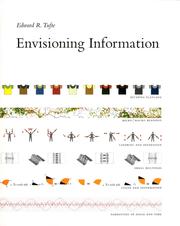 Envisioning InformationEdward R. TufteA passionate, visually stunning masterclass in transforming complex data into elegant, comprehensible truth.
 The Visual Display of Quantitative InformationEdward R. TufteA masterclass in visual elegance that transforms how you see and communicate complex truths.
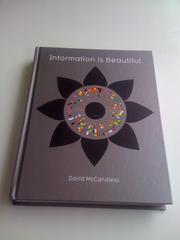 Information is BeautifulDavid McCandlessA visually stunning antidote to information overload that transforms complex data into beautiful, digestible art.
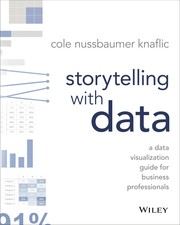 Storytelling with DataCole Nussbaumer KnaflicA clarifying, highly visual masterclass in turning dense spreadsheets into compelling, persuasive narratives.
 Information Dashboard DesignStephen FewA focused, pragmatic guide to transforming complex data into clear, at-a-glance visual communication.
 The book of treesManuel LimaA visually stunning exploration of how humanity has used the branching structure of trees to map knowledge, genealogy, and data across centuries.