Books › Becoming attached
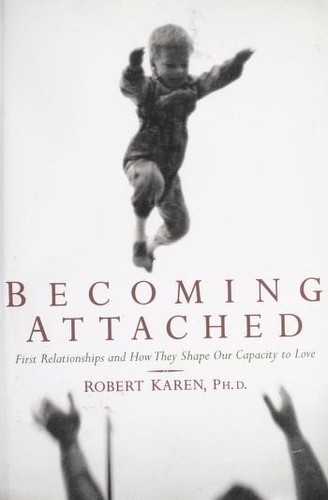
Becoming attached
First published 1990 · 500 pages
A profound, illuminating journey into the science of human connection and the childhood roots of how we love.
What it feels like
Reading this book feels like sitting down with a deeply empathetic, incredibly knowledgeable mentor who helps you untangle the invisible threads of your own emotional history. It unfolds at a steady, deliberate pace, blending the fascinating biographical drama of early psychological pioneers with profound insights into human behavior. The mood is highly reflective and illuminating, often prompting you to pause and reevaluate your own childhood, romantic relationships, and parenting choices. The prose is clear, journalistic, and accessible, stripping away academic jargon to reveal the beating heart of attachment theory. It is an essential, grounding experience for anyone seeking to understand why we love the way we do, offering both a mirror to our past and a compass for healthier future connections.
- Mood
- reflective
- illuminating
- contemplative
- Tone
- empathetic
- analytical
- earnest
- informative
- Pace
- steady
- Themes
- origins of personality · intergenerational patterns · parent-child bond · science of love · emotional development
- The writing
- Accessible and journalistic, seamlessly weaving biographical storytelling with complex psychological concepts.
- The arc
- Moves from an engaging historical exploration of psychological pioneers to a deeply personal reflection on the reader's own relational blueprints.
- Who it's for
- Readers looking to understand the deep-seated roots of their relationship dynamics, as well as parents wanting to foster secure bonds with their children.
Content notes
- childhood neglect
- emotional trauma
- parenting anxiety
About the book
The struggle to understand the infant-parent bond ranks as one of the great quests of modern psychology, one that touches us deeply because it holds so many clues to how we become who we are. How are our personalities formed? How do our early struggles with our parents reappear in the way we relate to others as adults? Why do we repeat with our own children--seemingly against our will--the very behaviors we most disliked about our parents? In Becoming Attached, psychologist and noted journalist Robert Karen offers fresh insight into some of the most fundamental and fascinating questions of emotional life. Karen begins by tracing the history of attachment theory through the controversial work of John Bowlby, a British psychoanalyst, and Mary Ainsworth, an American developmental psychologist, who together launched a revolution in child psychology. Karen tells about their personal and professional struggles, their groundbreaking discoveries, and the recent flowering of attachment theory research in universities all over the world, making it one of the century's most enduring ideas in developmental psychology. In a world of working parents and makeshift day care, the need to assess the impact of parenting styles and the bond between child and caregiver is more urgent than ever. Karen addresses such issues as: What do children need to feel that the world is a positive place and that they have value? Is day care harmful for children under one year? What experiences in infancy will enable a person to develop healthy relationships as an adult?, and he demonstrates how different approaches to mothering are associated with specific infant behaviors, such as clinginess, avoidance, or secure exploration. He shows how these patterns become ingrained and how they reveal themselves at age two, in the preschool years, in middle childhood, and in adulthood. And, with thought-provoking insights, he gives us a new understanding of how negative patterns and insecure attachment can be changed and resolved throughout a person's life. The infant is in many ways a great mystery to us. Every one of us has been one; many of us have lived with or raised them. Becoming Attached is not just a voyage of discovery in child emotional development and its pertinence to adult life but a voyage of personal discovery as well, for it is impossible to read this book without reflecting on one's own life as a child, a parent, and an intimate partner in love or marriage.
Description from Open Library.
Books like Becoming attached
See why they match AttachedAmir LevineA validating, science-backed decoder ring for the confusing dynamics of human love and intimacy.
 Raising an emotionally intelligent childJohn Mordechai GottmanA compassionate, research-backed roadmap for turning emotional meltdowns into moments of profound connection.
 A general theory of loveLewis, Thomas, Fari Amini and othersAn illuminating exploration of the biological and psychological rhythms that wire us for connection.
 Emotional development and emotional intelligencePeter SaloveyA rigorous yet deeply practical exploration of how we can teach children to understand and harness their own feelings.
 Hold Me TightSue JohnsonA compassionate, science-backed roadmap for turning relationship conflict into profound emotional connection.
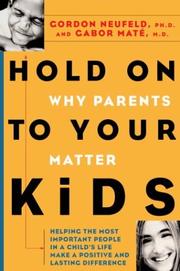 Hold on to your kidsGordon NeufeldA paradigm-shifting exploration of childhood attachment that challenges modern parenting norms and offers a compassionate roadmap back to your child's heart.